
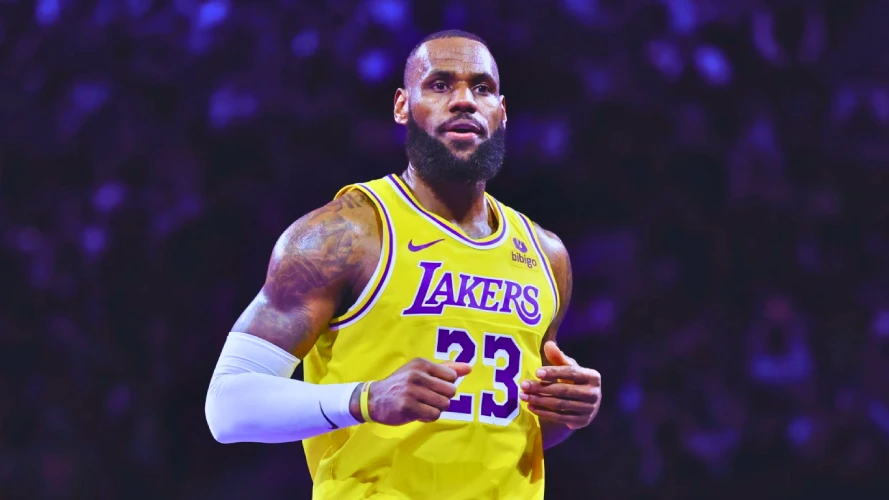
LeBron James has never been a stranger to public scrutiny, but this time the backlash came from a single word—“Congratulations.” What began as a simple message of support for the Los Angeles Dodgers after their World Series victory quickly spiraled into a wave of criticism and jokes from baseball and music fans alike.
When James tweeted “CONGRATULATIONS @Dodgers!!!!” following the team’s championship win, he probably didn’t expect his post to become one of the most discussed topics across sports and entertainment circles. Instead of being celebrated for his enthusiasm as a proud Los Angeles athlete, the NBA icon found himself the target of ridicule, with fans labeling him “the biggest bandwagoner in sports.”
The Tweet That Ignited the Internet
LeBron’s message was simple, positive, and entirely in line with what many would expect from a superstar representing Los Angeles. Yet, in the unpredictable world of social media, simplicity often breeds chaos. Within minutes of the post, fans flooded the replies, transforming what could have been an innocent congratulatory note into a digital storm.
The timing played a role. As the Dodgers celebrated their latest championship, Drake and Toronto Blue Jays fans were nursing their disappointment after another rough postseason exit. When LeBron joined the celebration, these fan bases took offense, seeing his tweet as another example of him aligning with success rather than loyalty.
One Twitter user, Giovanni Viveros, summed up the mood of many critics by writing, “The biggest bandwagoner in sports. Jordan would never do this. #NotMyGOAT.” Others echoed the sentiment, calling LeBron’s online behavior opportunistic. The idea that he “jumps ship” to celebrate every winning franchise has long been a talking point among detractors, and this latest instance reignited the debate.
From Basketball Courts to Baseball Fields
LeBron has always shown love for sports beyond basketball. Whether he’s attending NFL games, celebrating soccer triumphs, or supporting baseball teams, his enthusiasm for athletics as a whole has been part of his personality for years. But with social media amplifying every word and reaction, his comments are often magnified into controversies.
Drake’s fanbase, known for its passionate and sometimes chaotic defense of the Toronto rapper and all things Canada, was quick to join the fray. Memes and jokes flooded Twitter timelines. One user wrote, “That’s it, @Drake, release the files,” referencing the playful feud between Drake’s OVO fan community and LeBron’s perceived casual fandom. Another fan took it further, mocking James for only appearing when the spotlight is brightest: “I’m so tired of seeing you only ride a sport when the entire timeline is talking about it.”
The absurdity of it all only added fuel to the fire. As one user humorously commented, “Drake fans smacking your shins with bicycle pedals in the quotes,” the conversation turned from criticism to full-blown entertainment. Social media had, once again, taken a minor moment and turned it into a viral event.
The Bandwagon Label Returns
The “bandwagoner” accusation has followed LeBron James for much of his career. It started when he left Cleveland for Miami in 2010, joining forces with Dwyane Wade and Chris Bosh to form a superteam that dominated the NBA. When he later returned to Cleveland to win a championship and then moved to Los Angeles to join the Lakers, critics saw a pattern LeBron following opportunities that promised success.
To many fans, his tweet congratulating the Dodgers symbolized the same tendency. Supporters of other teams viewed it as another example of him aligning with winners instead of staying loyal to a single franchise or city. But the argument overlooks something crucial: LeBron’s connection to Los Angeles runs deep.
As a member of the Lakers since 2018, he has embraced the city’s culture, built relationships with fellow athletes across sports, and invested in the community. The Dodgers, being another iconic Los Angeles franchise, naturally fall within the realm of his local pride. His tweet, while short, reflected that connection.
Why Fans React So Strongly
At its core, the backlash reveals more about fan culture than about LeBron himself. In the age of social media, every word from a global superstar becomes a mirror for people’s emotions and rivalries. The internet thrives on contrast celebration and outrage, admiration and mockery and LeBron’s presence online sits right in the middle of that dynamic.
Drake’s fans, in particular, have built a digital reputation for responding passionately to perceived slights or sports-related rivalries. The playful nature of the “OVO blitz” that targeted LeBron’s mentions shows how fandoms today function less like communities and more like armies ready for battle.
For some, calling LeBron a “bandwagoner” was simply part of the sport of online banter. For others, it reflected long-standing frustrations about how modern athletes engage with success and loyalty. Either way, the incident illustrates how public figures can’t make even the most innocent statements without sparking analysis, debate, and humor.
LeBron’s Silence and Nike’s Edit
As the memes rolled on, LeBron remained silent, letting the timeline do what it does best spin itself into chaos. He did, however, share Nike’s Dodgers-themed graphic on his Instagram story, reinforcing his support for the team and, perhaps unintentionally, keeping the conversation alive.
Nike’s celebratory edit, which showed the Dodgers’ victory through its signature sleek branding, found its way into the social media feeds of millions. Fans saw it as both corporate synergy and another layer of LeBron’s connection to winning cultures. It also came amid a separate debate involving Nike’s subtle nods toward Drake and Kendrick Lamar, fueling speculation that the brand was enjoying the spotlight of overlapping fandoms.
The Bigger Picture
In truth, LeBron’s tweet says less about him and more about the modern world of celebrity and fandom. Today, athletes don’t just play their sport they live in a space where their words, gestures, and affiliations are broadcast to millions in real time. Every message becomes a statement, every statement a debate.
LeBron has long been one of the most polarizing figures in sports not because of controversy, but because of visibility. Every era needs a figure to argue over, and in this generation, he fills that role. Whether it’s basketball greatness, social commentary, or a simple “Congratulations” tweet, LeBron’s influence stretches far beyond the court.
Conclusion: When Success Speaks Louder Than Words
What began as a single word of praise ended up revealing the complicated relationship between fame, loyalty, and perception in modern sports. LeBron James congratulated a fellow Los Angeles team for their victory, but fans turned it into another chapter of the endless debate surrounding his image.
Was it harmless appreciation or calculated bandwagoning? The truth probably lies somewhere in between. LeBron is a product of the city he represents, one that celebrates winning above all else. For better or worse, his every move reflects that ethos.
In the end, the controversy will fade, but the moment serves as another reminder of the world LeBron occupies where even a cheer for a baseball team can spark a global conversation about identity, loyalty, and what it truly means to be a fan.