
Introduction
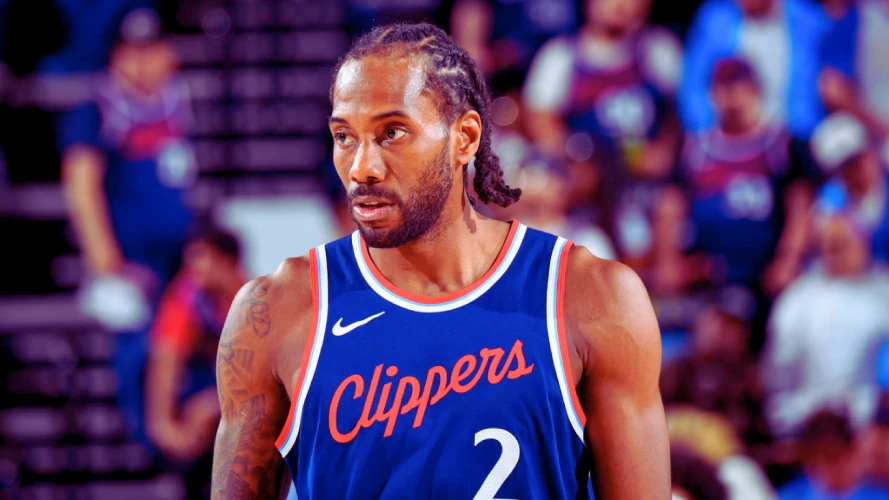
A flurry of online chatter recently suggested that Kawhi Leonard is unhappy with the Los Angeles Clippers and has demanded a trade. A careful look at the origin and context of those claims shows differently. The posts that sparked the surge in speculation were produced by parody and satire accounts and were explicitly presented as such. No legitimate reporting or verified sources back up the notion that Leonard has expressed frustration with the franchise or sought an exit. The purpose of this piece is to walk through the facts, explain how parody content metastasized into apparent news, and remind readers how to spot fabricated reports amid social media noise.
Where the claims began
The rumor mill ignited after a series of social posts from accounts that specialize in satire and speculative takes. Each of the original posts made clear that the content was intended as parody or prediction rather than factual reporting. Despite the labeling, the posts were quickly copied, clipped and shared across platforms. In many instances the context — the disclaimers and account descriptions indicating parody was lost in screenshots or brief reposts. The result was a cascade of impressions that looked, on the surface, like news breaking about a star player and a storied franchise.
The real contractual situation
Understanding Leonard’s standing with the Clippers requires a look at the concrete facts. In January 2024 Kawhi Leonard signed a three-year contract extension worth $153 million with the Clippers. The extension was a major commitment from both sides and signaled their intent to continue building around Leonard as a cornerstone for the roster. At the time of the signing both Leonard and the Clippers publicly framed the agreement as a long-term partnership. That contractual reality remains in force and undercuts the idea that Leonard is suddenly angling to leave the organization.
Leonard’s health and role
Another factor that contradicts the rumor is Leonard’s current status with the team. He is considered healthy and continues to play for the Clippers. There are no verified reports of a training-room issue, a fracture in communications with the front office, or a pattern of behaviors that would plausibly lead to a forced breakup. When star players do have legitimate grievances that might precipitate a trade request, sports reporters typically surface corroborating sources, agents or team insiders. None of those corroborations exist in this case.
How parody becomes perceived reality
There are mechanics at play on social media that help explain how clearly labeled satire can become treated as genuine news. First, reposting often strips away embedded context. A screenshot shared without the account name or the caption that identifies content as parody can appear indistinguishable from a legitimate report. Second, confirmation bias leads some users to accept claims that fit a preexisting narrative about player movement or franchise dysfunction. Third, high engagement posts are amplified by algorithms regardless of veracity. Finally, rapidly moving cycles of reaction and counterreaction leave little time for rigorous verification before a post becomes viral. Together these dynamics allow fiction to masquerade as fact, especially when it touches on topics that attract strong fan interest.
The role of responsible reporting
Accurate information about players and teams typically emerges from a handful of reliable sources. Those sources include official team statements, direct quotes from players or their representatives, and reporting from established sports journalists who cite named or credible anonymous sources. Responsible reporters seek multiple confirmations before publishing claims that could significantly impact perceptions of a player or franchise. In this instance those standards were not met by the viral posts; satire accounts created the story and other users propagated it without independent verification.
Why the parody framing matters
Satire and parody have a long history as forms of commentary and amusement. When clearly framed they can be entertaining or pointed social critique. Problems arise when that framing is eroded through sharing or when readers fail to notice the cues that mark content as fictional. The original parody authors may have intended humor, speculation or commentary, but once such content is recirculated as literal reporting it can create reputational harm, confusion among fans and unnecessary distractions for the team and player involved.
Potential consequences of misinformation
Even when a claim is demonstrably false, the ripple effects can be material. Rumors about a star player requesting a trade can affect locker room dynamics if teammates or staff begin fielding questions about loyalty and focus. They can disrupt fan sentiment, influence betting markets and complicate relationships between players, agents and front-office executives who must answer queries sparked by untrue reports. In the digital era these consequences happen quickly, which is why prompt clarifications from reputable news outlets and the teams themselves are crucial.
How to spot parody and false reports
Readers can take several practical steps to avoid treating parody as fact. Start by checking the original account that posted the content. Parody pages often include language in their bio signaling their nature. Look for corroboration from established sports outlets or multiple independent reporters before accepting a sensational claim. Read beyond headlines and screenshots; context often resides in captions or thread replies. Pay attention to timing and whether the supposed news aligns with verifiable events such as contract status or public statements. Finally, exercise skepticism toward posts that lack sources or present extreme claims without attribution.
What credible information shows now
At present the verifiable record does not support the narrative of Leonard seeking a trade or expressing profound frustration with the Clippers. The January 2024 three-year, $153 million extension remains intact. Public commentary from both sides at the time of the extension emphasized mutual commitment. Leonard’s availability and on-court presence further reinforces the absence of a contemporaneous dispute that would justify the viral claims. As always, if circumstances change, reliable journalists and official channels would surface confirmed updates.
Closing perspective
Social media thrives on fast takes and sensational hooks. That environment rewards shareable content but can also prioritize virality over accuracy. The recent wave of claims about Kawhi Leonard and the Clippers is a textbook case of how parody posts can snowball into misleading narratives when context is lost in the sharing process. The facts remain clear. The posts in question were crafted as satire and not founded on reporting. Leonard’s contract and public statements indicate a continuing partnership with the Clippers and there are no substantiated reports that he has requested a trade. Fans and readers who want trustworthy updates should look to official team releases and seasoned sports reporters for confirmation rather than relying on viral reposts that lack sourcing.