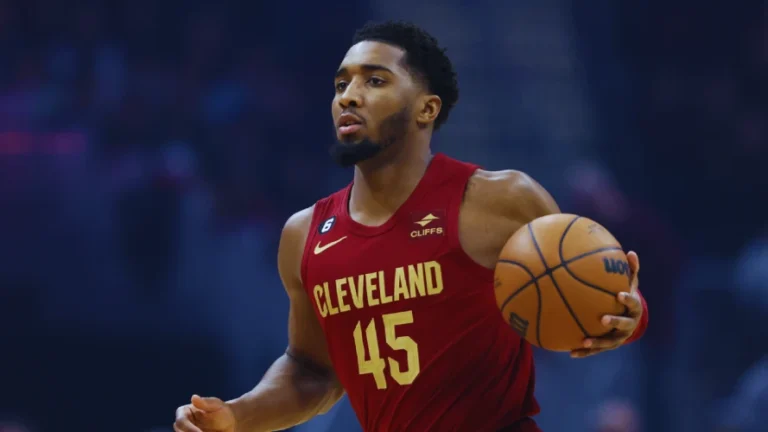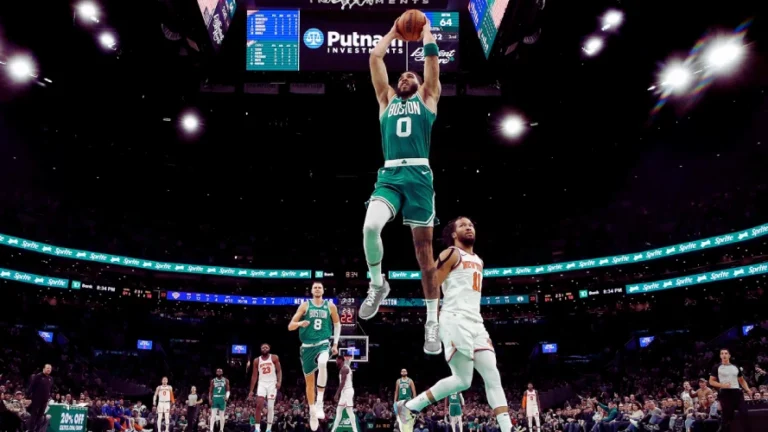


There is something electric about the idea of Keon Ellis in a Warriors uniform. It is not just the box-score numbers or a lofty trade rumor headline. It is the feel of a player whose game fits like a missing puzzle piece into a championship-caliber team. Across the NBA this season, whispers and concrete inquiry alike have put Ellis squarely on Golden State’s radar. For fans of the Warriors and the Kings the thought stirs a mix of anticipation and unease. What would it mean if a tenacious perimeter defender and dead-eye 3-point shooter were to swap the purple-and-gold of Sacramento for the blue-and-gold of San Francisco? Let us unwind the story behind the interest, the contract clock that drives it, and why this could become one of the more intriguing roster dramas heading into 2026.
Why Golden State’s interest makes sense Golden State has built many of its title runs around space, shooting, and versatile defenders who can switch and harass on the perimeter. Keon Ellis checks multiple boxes that a team like the Warriors values. He brings defensive intensity that shows up in the steal numbers and in the way he disrupts ballhandlers. Offensively he keeps defenses honest by converting from deep at a level that stretches room and creates driving lanes for elite creators.
The Warriors’ roster construction rewards role players who understand how to move without the ball and consistently hit open shots. Ellis’s 43.3 percent three-point accuracy in the 2024–25 season is eye-catching because it is not a fluke number from limited volume. It is a defining trait of a player who can be slotted into a rotation as an instant perimeter threat. Swap him into Golden State’s system and his strengths are amplified by playmakers and spacing that would likely lead to more open attempts and easier defensive assignments.
The trade chatter and what’s on the table Trade speculation has followed the usual NBA pattern where insiders link names and concepts to make sense of both teams’ needs. Evan Sidery mentioned Ellis in the context of potential discussions involving Jonathan Kuminga. Other scenarios floated by sources include Jaden Springer and draft picks packaged in various ways. Those conversations reflect the reality that teams rarely trade for high-character role players without including future assets or young upside.
For the Warriors, the calculus is straightforward. They must weigh the immediate fit and championship upside of adding a 3-and-D wing against the cost of giving up young talent or picks. For the Kings, the decision is tougher. They could keep a player who has become a meaningful contributor on both ends of the floor or extract value now to address other roster needs. The beauty and the brutality of NBA trade markets is that timing often dictates whether a team holds on or deals away a piece that ultimately helps another contender.
Contract timing and the freedom to pursue What sharpens Golden State’s interest is Ellis’s contract situation. Sacramento exercised a team option for the 2025–26 season, which locks him into that year but simultaneously sets up a potential unrestricted free agency in the summer of 2026. That calendar is a strategic lever for rival teams. If Ellis hits free agency, he can be signed outright without a trade, which gives teams like the Warriors a cleaner path to acquire him without surrendering young assets or draft capital.
From Golden State’s perspective there are essentially two routes. One is to pursue a midseason trade if the Kings become open to moving him. The other is to wait, watch, and attempt to sign him in free agency when he is unrestricted. Each path has risks. Trading for him now would likely require giving up core rotation pieces or draft compensation. Waiting through free agency risks competing offers from other teams, potential bidding wars, and the reality that his price may rise after another season of solid play.
What Ellis offers on the court and in the locker room Numbers tell part of the story. The averages from the 2024–25 season of 8.3 points and 1.5 steals per game with a 43.3 percent mark from three paint a portrait of a player who produces efficiently in a role framework. But the more compelling aspect is how those numbers translate into winning.
Defensively he brings the kind of instincts and energy that alter opponents’ plans. His willingness to take tough assignments and his ability to read passing lanes make him a genuine rotation defender in lineups that prioritize switching and positionless concepts. Offensively his shooting creates gravity that benefits scorers who drive and kick or who look to exploit pick-and-roll coverages. In a Warriors lineup with elite playmakers, Ellis would likely see more open looks and have a tangible multiplier effect on spacing.
Furthermore, his intangibles matter. Teams that chase titles prize players who buy in, who understand role clarity, and who bring consistent effort. Ellis’s trajectory suggests a player who embraces the grind, and that cultural fit could be as valuable as his on-court contributions.
Where the Kings stand and the pivot point Sacramento’s posture toward trading Ellis has been cautious. Historically they have shown reluctance to move him despite outside interest. That stance is understandable: team-building needs patience and continuity, and Ellis is part of a young core that the Kings have invested in. However, the business of basketball is fluid. If Sacramento decides to shift direction or if better opportunities arise to retool around other pieces, Ellis could find himself in play.
The Kings also have the option to ward him off free agency through a contract extension during the season. Extending him would remove the risk of losing a key role player for nothing and it would signal a commitment to keeping a core that fits together. The decision may come down to whether the Kings believe he is integral to their long-term plan or whether his value is better realized in a different form—via trade assets that could accelerate another type of roster construction.
What this means for fans and the broader NBA landscape For Warriors fans the prospect of Ellis arriving is exciting because it is emblematic of the kind of smart, low-risk move that can pay high dividends. For Kings fans the scenario stings with the sense that a developing talent could be poached by a perennial contender. More broadly the story underscores how the modern NBA prizes wings who can defend and shoot at elite efficiency. Players like Ellis are currency in a league where spacing and switchability continue to define championship path.
The swirling rumors linking Keon Ellis to the Warriors are anchored in reality: his skill set, contract timing, and the strategic fit with Golden State make him an appealing target. Yet the outcome is far from predetermined. The Kings may hold him close, may extend him, or could pivot and trade him if a compelling offer arrives. For now the narrative is one of potential and possibility, a quiet tension between what could be gained and what might be lost. Whether the Warriors pursue a deal now or wait to court Ellis in 2026 free agency, this storyline will be one to watch because it captures the essence of roster building in today’s NBA: timing, fit, and the ever-present chase for the next player who can tilt the delicate balance toward a championship.