
The Unthinkable Night: Anthony Davis’s Invisible Performance Exposes Lakers’ Championship Concerns
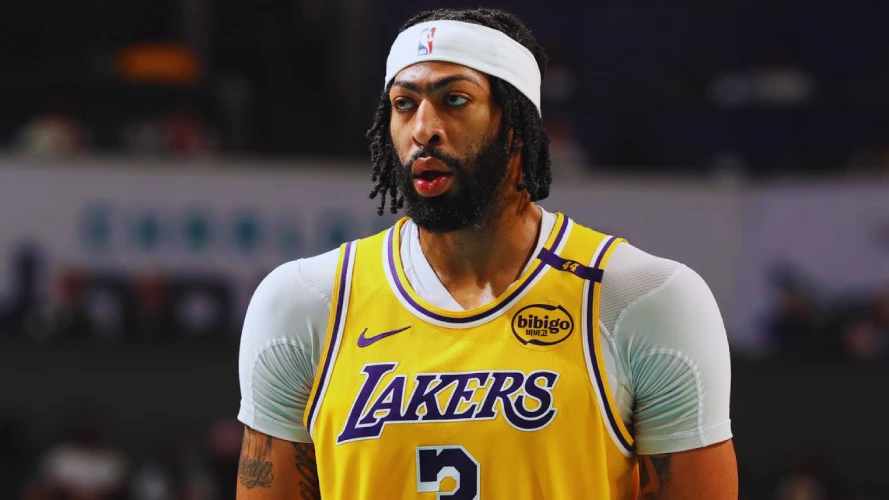
In the unforgiving arena of professional basketball, where superstars are expected to deliver night after night, some performances become etched in memory for all the wrong reasons. Anthony Davis’s shocking offensive disappearance against the Oklahoma City Thunder represents one of those moments that forces fans, analysts, and the Lakers organization to confront uncomfortable truths about their championship aspirations.
For three complete quarters of NBA basketball, one of the league’s most dominant big men was completely absent from the scoring column. When the final buzzer mercifully ended the Lakers’ misery, Davis had managed just two points in what can only be described as one of the most bewildering performances by a superstar player in recent memory. The statistical line tells a story of complete offensive breakdown, but the implications extend far beyond a single game.
The Thunder didn’t just beat the Lakers that night; they exposed fundamental flaws that have been lurking beneath the surface of what many considered a championship contender. Davis’s inability to impose his will against Oklahoma City’s defense revealed vulnerabilities that opposing teams will undoubtedly study and exploit in future matchups.
The Anatomy of an Offensive Disaster
Anthony Davis entering the fourth quarter with zero points represents something that transcends typical shooting struggles or off nights. This was a complete systematic failure that began with the opening tip and continued through three quarters of increasingly desperate attempts to find any offensive rhythm whatsoever.
The Lakers’ offensive gameplan appeared to crumble from the opening possessions, with Davis never finding his usual spots on the court or establishing any presence in the paint. His typical dominance around the rim was nowhere to be found, and his mid-range shooting stroke that has been so reliable throughout his career simply vanished when his team needed it most.
What made Davis’s struggles even more concerning was the way they seemed to compound throughout the game. Rather than finding alternative ways to contribute or adjusting his approach, he appeared to press harder and force increasingly difficult attempts. This type of snowball effect often indicates deeper issues than simple mechanical problems with shooting or positioning.
The Thunder defense deserves significant credit for their game plan and execution, but Davis’s level of offensive disappearance goes beyond what any single defensive scheme should be able to accomplish against a player of his caliber. Elite players typically find ways to adapt and contribute even when facing exceptional defensive pressure, making his complete absence from the scoring column all the more troubling.
The body language and visible frustration that Davis displayed as the game progressed told the story of a player who couldn’t understand why nothing was working. His usual confidence and assertiveness were replaced by hesitation and uncertainty that affected not just his own play but the entire Lakers offensive system.
The Ripple Effect on Lakers Offense
Anthony Davis’s offensive struggles created a cascading effect that crippled the entire Lakers offensive operation. His inability to establish any interior presence forced the team to rely exclusively on perimeter shooting and isolation plays that played directly into the Thunder’s defensive strengths.
The Lakers’ offensive system has been built around Davis’s ability to create advantages in the paint and draw defensive attention that opens opportunities for teammates. Without this foundational element functioning, the entire offensive structure collapsed like a house of cards. Role players found themselves taking difficult shots without the usual spacing and movement that Davis’s presence typically provides.
LeBron James was forced to carry an impossible offensive burden as the only reliable scoring option, which led to increased defensive attention and more difficult shot attempts for the aging superstar. The supporting cast struggled to find rhythm without the usual flow of the offense creating easy opportunities through Davis’s interior dominance.
The psychological impact of watching their star player struggle so dramatically was visible in the energy and confidence of the entire Lakers roster. Basketball is as much a mental game as a physical one, and when the team’s second best player is completely neutralized, it affects everyone’s approach to both offense and defense.
The coaching staff found themselves without answers as their primary offensive weapon became completely ineffective. Timeout adjustments and strategy changes proved futile when the player they depend on most was unable to execute even the most basic offensive concepts that typically come naturally to him.
Historical Context and Superstar Expectations
Anthony Davis’s two point performance stands out even in the context of historically poor games by superstar players. While every elite athlete experiences off nights, the complete absence of any offensive contribution for three full quarters represents something far more extreme than typical struggles.
The expectations placed on players of Davis’s caliber make performances like this particularly damaging to both individual reputation and team morale. Fans and teammates expect consistency from franchise players, and when that consistency disappears entirely, it raises questions about leadership, preparation, and mental toughness that extend beyond basketball fundamentals.
Davis’s track record of excellence makes this performance even more shocking and concerning. Throughout his career, he has been known for his ability to dominate games through multiple skill sets and adjust his approach based on what the defense presents. The complete inability to find any offensive success against the Thunder suggests problems that go deeper than simple mechanical issues.
The comparison to other legendary players who have experienced similar struggles provides some historical perspective, but it doesn’t diminish the immediate impact on the Lakers’ championship hopes. Every game matters in the competitive Western Conference, and performances like this can derail entire seasons if they become patterns rather than isolated incidents.
The pressure that comes with being a superstar on a championship contending team makes every poor performance magnified, and Davis’s invisible night will undoubtedly be dissected and analyzed until he proves that it was an anomaly rather than a sign of deeper issues.
Thunder’s Defensive Masterpiece
While much of the focus naturally centers on Davis’s struggles, the Oklahoma City Thunder deserve enormous credit for executing a defensive game plan that completely neutralized one of the league’s most versatile offensive weapons. Their approach to defending Davis revealed sophisticated scouting and exceptional execution that other teams will study and attempt to replicate.
The Thunder’s defensive strategy appeared to focus on disrupting Davis’s rhythm from the opening possession, never allowing him to establish comfortable position or get into any offensive flow. Their combination of physical defense and strategic help positioning made every scoring attempt more difficult than usual for the Lakers star.
Oklahoma City’s young roster showed maturity and discipline in maintaining their defensive intensity for the entire game, never allowing Davis to find easy baskets or regain confidence through successful possessions. This type of sustained defensive excellence against a player of Davis’s caliber represents exceptional coaching and player execution.
The Thunder’s ability to execute their defensive game plan without fouling or giving up easy alternatives demonstrated the type of basketball intelligence that makes young teams dangerous. Their disciplined approach prevented Davis from drawing fouls or getting to the free throw line, which eliminated one of his most reliable ways to score and build confidence.
The psychological aspect of the Thunder’s defense cannot be overlooked, as their success in neutralizing Davis early in the game appeared to grow their confidence while simultaneously undermining his. This type of momentum shift in defensive matchups often determines the outcome of games between competitive teams.
Lakers’ Strategic Concerns Moving Forward
Anthony Davis’s complete offensive breakdown raises serious questions about the Lakers’ ability to compete at the highest level when their system depends so heavily on his production. The lack of viable alternatives when their star player struggles exposes depth issues that could prove problematic throughout the remainder of the season.
The coaching staff must find ways to create offense even when Davis is struggling, which may require significant adjustments to their typical approach and rotations. The inability to generate any alternative sources of production when their primary weapon is neutralized suggests systematic problems that go beyond individual player performance.
The psychological impact of such a dominant loss could linger if not addressed properly through preparation and mental approach in subsequent games. Championship teams typically respond to adversity with improved focus and execution, and the Lakers’ reaction to this performance will reveal much about their character and championship potential.
The Western Conference’s competitive nature means that games like this can have significant implications for playoff seeding and momentum heading into the postseason. Every loss matters when multiple teams are competing for advantageous playoff positioning, making Davis’s disappearing act even more costly.
The health and conditioning concerns that have followed Davis throughout his career make performances like this particularly worrying for Lakers fans and management. While this game appears to be more about offensive struggles than physical issues, the complete lack of energy and effectiveness raises questions about his overall state.
The Mental Game and Confidence Recovery
Basketball at the NBA level requires tremendous mental strength and confidence, particularly for players who are expected to be primary offensive options. Davis’s visible frustration and mounting struggles throughout the game highlighted the psychological challenges that come with prolonged offensive difficulties.
The process of recovering from such a poor performance often determines whether it becomes an isolated incident or the beginning of an extended slump. Elite players typically use disappointing games as motivation to refocus and return stronger, but the mental approach during this recovery period is crucial for long term success.
Davis’s history of bouncing back from adversity provides some optimism for Lakers fans, but the completeness of this offensive breakdown makes the recovery process more challenging than typical shooting slumps or minor struggles. The confidence required to play aggressively and assertively must be rebuilt through successful possessions and positive outcomes.
The support system around Davis, including teammates, coaches, and training staff, will play a crucial role in how quickly he can move past this performance and return to his typical level of production. Championship teams rally around struggling stars rather than allowing poor performances to create division or finger pointing.
The media attention and fan reaction to such a visible struggle can either motivate or pressure players depending on their personality and mental approach. Davis’s ability to block out external noise and focus on basketball fundamentals will largely determine how quickly he recovers from this disappointing night.
Team Chemistry and Leadership Dynamics
Anthony Davis’s struggles placed additional pressure on LeBron James and the Lakers’ supporting cast to carry the offensive load against a well prepared Thunder defense. The inability to provide any relief or alternative scoring options exposed the team’s dependence on their two superstars performing at elite levels simultaneously.
The veterans on the Lakers roster have experienced similar situations throughout their careers, and their response to Davis’s struggles will influence the overall team chemistry and confidence moving forward. Championship teams support struggling teammates while finding ways to compensate for temporary shortcomings.
The coaching staff’s ability to make effective adjustments when their primary game plan isn’t working became crucial as Davis’s struggles continued throughout the game. The lack of successful alternatives or backup strategies raised questions about preparation and in game adaptability that extend beyond individual player performance.
The leadership dynamics within the Lakers organization will be tested by how they respond to such a visible failure in a nationally televised game. The maturity and professionalism shown in the aftermath of disappointing performances often determines whether teams grow stronger or allow adversity to create division.
The communication between Davis and his teammates during and after such struggles reveals much about the trust and support system within the organization. Elite teams use disappointing performances as opportunities to strengthen relationships and improve rather than sources of conflict or blame.
Looking Ahead: Redemption and Response
The true measure of Anthony Davis and the Lakers organization will be determined by their response to this humbling experience against the Thunder. Championship caliber players and teams typically use disappointing performances as motivation to improve and refocus on their ultimate goals.
Davis’s individual response in subsequent games will provide insight into his mental toughness and ability to perform under pressure after such a public struggle. The confidence and aggressiveness with which he approaches his next opportunity will indicate whether this was an isolated incident or the beginning of more concerning trends.
The Lakers’ organizational response, from coaching adjustments to player support systems, will demonstrate their commitment to helping their star player and the team recover from this setback. The infrastructure and culture around professional athletes during difficult periods often determines long term success.
The lessons learned from analyzing what went wrong against the Thunder could ultimately benefit the Lakers if they use this experience to improve their offensive system and alternative strategies. Sometimes devastating losses provide valuable information that leads to stronger performance in crucial games.
The competitive nature of the Western Conference means that the Lakers cannot afford many more performances like this if they hope to achieve their championship aspirations. The urgency created by such a poor showing could serve as motivation for improved focus and preparation in future games.
Conclusion
Anthony Davis’s scoreless three quarters and two point performance against the Oklahoma City Thunder represents more than just a poor individual showing; it exposes fundamental questions about the Lakers’ championship viability and their dependence on superstar production. The complete offensive breakdown revealed vulnerabilities that opponents will undoubtedly attempt to exploit while creating urgent questions about depth, strategy, and mental toughness.
The Thunder’s defensive masterpiece deserves recognition, but the inability of a player of Davis’s caliber to find any offensive success for three complete quarters suggests problems that extend beyond exceptional opponent preparation. The ripple effects throughout the Lakers’ offensive system and the visible impact on team confidence make this performance particularly concerning for championship aspirations.
However, the true test of both Davis and the Lakers organization lies not in this single disappointing performance but in their response to adversity. Championship teams and elite players use setbacks as motivation to improve and refocus on their ultimate goals. The coming games will reveal whether this was an aberration or a sign of deeper issues that could derail what many considered a promising season.
The Lakers’ championship window remains open, but performances like this serve as stark reminders that nothing is guaranteed in professional basketball. Anthony Davis’s redemption story begins with the next game, and Lakers fans will be watching closely to see how their star responds to one of the most challenging nights of his professional career.