
Anthony Davis Hits Rock Bottom: The Shocking Career-Low Performance That Left Lakers Nation Stunned
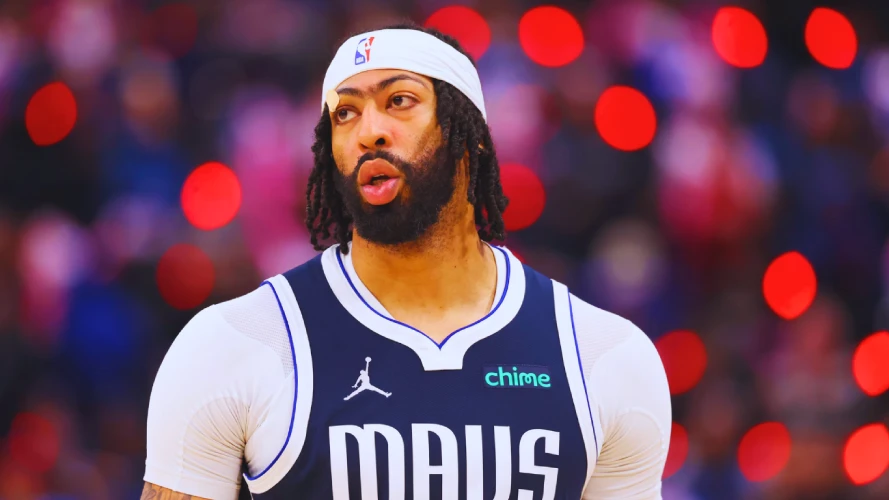
The basketball world witnessed something unprecedented Tuesday night, something so jarring that even the most seasoned NBA analysts found themselves double-checking the box score. Anthony Davis, the Los Angeles Lakers superstar who has carried teams on his broad shoulders and dominated playoff series with his two-way excellence, delivered the most forgettable performance of his illustrious career.
Two points. One made field goal out of nine attempts. Zero successful free throws out of two tries. For a player who has averaged over 20 points per game throughout his career, these numbers read like a statistical anomaly, a glitch in the matrix that somehow materialized on the hardwood. Yet there it was, printed in black and white for the world to see.
Perhaps most shocking of all was the 24-minute scoreless stretch that defined this nightmare performance. For nearly half an hour of game time, one of the most talented big men in basketball could not find the bottom of the net. The silence from Davis during this extended period spoke volumes about how quickly fortunes can change in professional sports.
The Unthinkable Becomes Reality
Anthony Davis entered the NBA in 2012 as the first overall draft pick, carrying expectations that would crush lesser talents. Throughout his career, he has delivered on those expectations with remarkable consistency. His resume includes eight All-Star selections, four All-NBA team honors, and a championship ring earned during the Lakers’ 2020 title run in the Orlando bubble.
Davis built his reputation on dominance in the paint, combining elite shot-blocking ability with a versatile offensive skill set that extends well beyond the three-point line. His career averages of approximately 24 points and 10 rebounds per game represent sustained excellence over more than a decade of professional basketball.
This track record made Tuesday night’s performance so difficult to comprehend. For a player who has scored 50 points in multiple games, who has dominated playoff series against elite competition, to suddenly appear lost and ineffective defied logic and left fans searching for explanations.
The psychological impact of such a performance cannot be understated. Professional athletes, particularly those at Davis’ elite level, build their confidence on consistent production and muscle memory developed through countless hours of practice. When that foundation crumbles, even temporarily, the effects can be profound and lasting.
Anatomy of a Basketball Nightmare
The details of Davis’ struggles painted a picture of complete offensive breakdown. His nine field goal attempts represented reasonable shot volume for a player of his caliber, suggesting the opportunities were there. The problem lay in execution, as shot after shot clanged off the rim or missed the mark entirely.
Missing both free throw attempts added another layer of concern to an already troubling performance. Free throws represent the most controlled environment in basketball, where external factors like defense are eliminated and success depends purely on technique and mental fortitude. For a career 79 percent free throw shooter to miss both attempts suggests the struggles extended beyond mere shooting mechanics into psychological territory.
The 24-minute scoreless drought represented the most damning aspect of the performance. During this extended period, Davis appeared to lose confidence in his abilities, hesitating on shots he typically makes with ease and appearing tentative in situations where he normally dominates. This hesitancy became a self-fulfilling prophecy, as missed opportunities led to decreased aggression, which led to fewer touches and even less confidence.
For Lakers fans watching in real time, the progression of events felt surreal. Each missed shot brought more disbelief, each failed possession more questions about what was happening to their star player. The collective anxiety in the arena was palpable as one of the game’s elite talents appeared completely lost.
The Ripple Effect on Team Dynamics
Basketball is the ultimate team sport, but NBA teams rely heavily on their star players to carry offensive loads during difficult stretches. When a player of Davis’ caliber struggles to this extent, the impact extends far beyond individual statistics and affects the entire team’s offensive rhythm and defensive attention.
The Lakers entered this game expecting their star big man to provide his usual production and leadership. When that production disappeared, teammates were forced to shoulder additional offensive responsibilities they may not have been prepared to handle. Role players who typically benefit from the attention Davis draws from opposing defenses suddenly found themselves facing increased scrutiny and pressure.
From a strategic standpoint, the Lakers’ offensive game plan likely revolved around getting Davis favorable matchups and high-percentage scoring opportunities. When he couldn’t capitalize on those opportunities, the team was forced to improvise and rely on secondary options that proved insufficient.
The psychological impact on teammates cannot be ignored either. Professional athletes feed off each other’s energy and confidence, and when a leader struggles visibly, it can create doubt and hesitancy throughout the roster. Younger players who look to veterans like Davis for guidance and inspiration may find their own confidence shaken by such a stark reminder of basketball’s unpredictable nature.
Historical Context and Perspective
To truly understand the magnitude of this performance, it’s essential to examine Davis’ career trajectory and previous low points. Throughout more than a decade in the NBA, Davis has experienced shooting slumps and difficult games, but nothing approaching this level of offensive futility.
His previous career-low scoring games typically involved reduced playing time due to blowouts, foul trouble, or injury concerns. Tuesday night’s performance stands alone as a complete breakdown during meaningful minutes in a competitive game. The combination of volume shooting attempts with such poor efficiency creates a unique entry in his career record book.
Comparing this performance to other notable poor games by elite players provides additional context. Even the greatest players in basketball history have experienced forgettable nights, but the combination of factors that contributed to Davis’ struggles makes this performance particularly noteworthy.
The timing of such a performance also carries significance. As the Lakers navigate a competitive Western Conference and work to establish consistency, having their star player deliver his worst career performance creates additional pressure and scrutiny that could affect team chemistry and confidence moving forward.
The Mental Game and Recovery
Professional basketball is as much a mental game as a physical one, particularly for players operating at Davis’ elite level. The psychological impact of such a poor performance can linger for days or even weeks, affecting confidence and decision-making in subsequent games.
Elite athletes typically possess short memories when it comes to poor performances, understanding that basketball is a game of ebbs and flows where even the best players experience difficult nights. However, the extreme nature of this performance may require additional mental fortitude and support to overcome.
The key for Davis will be returning to fundamental basketball activities that rebuild confidence and muscle memory. Taking high-percentage shots, making routine plays, and gradually expanding his comfort zone will be essential for bouncing back from this career-low performance.
Teammates and coaching staff play crucial roles in this recovery process. Providing encouragement while maintaining realistic expectations allows players to regain confidence without feeling additional pressure to overcompensate in subsequent games.
Looking Forward
While Tuesday night’s performance will forever hold a place in Anthony Davis’ career record book, it’s important to view it within the broader context of his sustained excellence. One terrible game does not erase years of elite production and clutch performances in the biggest moments.
The true measure of elite athletes lies not in avoiding poor performances but in how they respond to adversity. Davis has demonstrated throughout his career that he possesses the mental toughness and skill level necessary to bounce back from setbacks.
For the Lakers organization and their fans, this performance serves as a stark reminder of basketball’s unpredictable nature while also highlighting the importance of depth and balanced scoring throughout the roster.
Conclusion
Anthony Davis’ historic low of 2 points on 1-9 shooting with 0-2 free throws and a 24-minute scoreless stretch will be remembered as one of the most shocking individual performances by an elite player in recent NBA history. The combination of poor shooting, missed free throws, and extended scoreless play created a perfect storm of offensive futility that left fans and analysts searching for explanations.
Yet sports history teaches us that even the greatest players experience forgettable nights. What matters most is how Davis responds to this adversity and whether he can use this experience as motivation for future excellence. For a player of his caliber and track record, betting against a strong bounce-back performance would be unwise.
The Lakers and their fans will hope this represents an isolated incident rather than a concerning trend. Only time will tell whether Tuesday night was a career aberration or something more troubling, but Anthony Davis’ legacy suggests he will emerge from this setback stronger and more determined than ever.