
The sight of Derrick White beaming from ear to ear on the sideline told the entire story of Thursday night’s demolition in Washington D.C. As the Boston Celtics dismantled the Wizards 146-101, delivering their highest scoring output of the season, White stood as the architect of destruction with a masterful 30-point near-double-double performance that reminded everyone why he’s become indispensable to this championship-caliber roster.
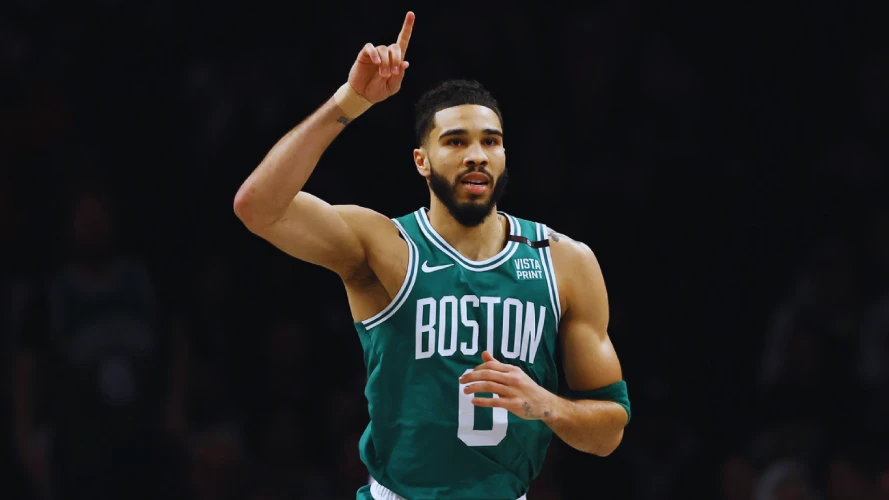
But behind White’s explosive offensive showcase lies a deeper narrative about mentorship, belief, and how leadership manifests even when star players are confined to the bench. Jayson Tatum, sidelined during this particular triumph, has become an unexpected catalyst for White’s resurgence through nothing more than unwavering faith and vocal encouragement.
The numbers from White’s dominant evening speak volumes about his current form. Seven rebounds, nine assists, and a steal accompanied his 30 points on an efficient 57.1 percent shooting night, providing Boston with everything they needed from their ninth-year veteran guard. More importantly, he delivered this performance while filling the leadership void left by an absent Jaylen Brown, demonstrating the versatility and adaptability that championship teams require from their core players.
The Foundation of Belief
White’s postgame reflection captured the essence of what makes great teammates transcend their individual circumstances. Speaking about Tatum’s influence despite being unable to contribute on the court, White emphasized how genuine belief can transform performance and confidence.
“Obviously, he wants to be out there helping us, but he’s always supporting, always positive, and he’s always believed in me,” White explained after Boston’s comprehensive victory. “Stuff like that is encouraging, and when people believe in you, you start believing in yourself a little bit more. So it’s definitely great to have him out there, and he’s encouraging all of us.”
This sentiment reflects a fundamental truth about professional sports that often gets overshadowed by statistics and highlight reels. The psychological impact of having teammates who genuinely believe in your abilities can be transformative, particularly during challenging stretches when confidence wavers and shots refuse to fall.
Tatum’s role as an encourager from the sideline demonstrates emotional intelligence and leadership maturity that extends far beyond his individual scoring prowess. Rather than sulking about his inability to contribute directly, he has embraced the opportunity to impact winning through different channels.
Navigating the Storm
The context surrounding White’s current excellence makes it even more impressive. From late October through early November, he endured an uncharacteristically frigid shooting stretch that would have broken lesser players mentally. During that eight-game span from October 26th to November 7th, White averaged just 12.9 points while shooting a dismal 33.9 percent from the field and 25.4 percent from three-point range.
The team struggled alongside their veteran guard, posting a mediocre 4-4 record during that stretch and slipping to 11th in the Eastern Conference standings. For a franchise with championship aspirations and recent success, such struggles could have created panic and finger-pointing within the locker room.
Instead, White approached his slump with the wisdom and perspective that comes from nearly a decade of professional basketball experience. His mature response to adversity demonstrates why veteran leadership remains invaluable even in an era increasingly dominated by young talent.
“It’s something I’ve dealt with my whole life,” White reflected on managing performance fluctuations. “I’d like to think I’ve gotten a lot better at that, so who knows how bad I was when I was a kid? It’s just basketball. There are ups, there are downs, and you’ve got to work your way through that.”
This philosophical approach to the inevitable ebbs and flows of athletic performance speaks to emotional maturity that serves as a stabilizing force for the entire roster. While younger players might panic during cold streaks, White’s measured response helps maintain team chemistry and confidence during difficult periods.
Moments of Connection
The relationship between White and Tatum extends beyond simple teammate encouragement into genuine friendship and mutual respect. One particularly telling moment occurred over five weeks ago during a loss to the Detroit Pistons when White picked up just his second technical foul of his career. Rather than viewing it as a negative moment, Tatum stood from the bench with visible pride, smiling broadly as White earned some much-needed edge and competitive fire.
The image of Tatum reacting like a proud father to White’s rare display of on-court emotion perfectly encapsulated their relationship dynamic. It wasn’t about serious drama or manufactured intensity, but rather authentic support during a frustrating moment that could have spiraled into self-doubt.
These small gestures and moments of connection often prove more valuable than elaborate team-building exercises or motivational speeches. Genuine relationships built on mutual respect and shared experiences create the foundation for sustained excellence that championship teams require.
The two veterans have shared virtually every type of basketball experience together. They’ve celebrated together at championship podiums, endured the crushing disappointment of playoff defeats, and navigated the daily grind of an 82-game season multiple times. This shared history creates trust and understanding that cannot be manufactured or rushed.
The Washington Explosion
White’s dominant performance against Washington showcased exactly why Tatum’s belief in him is so well-founded. The veteran guard finished the first half with 18 points, establishing an aggressive tone that would define the entire evening. However, his third-quarter explosion truly separated this performance from routine solid outings.
During those crucial 12 minutes of the third period, White scored 12 points on exceptional 5-of-7 shooting while grabbing four rebounds and assisting on six different Celtics baskets. His playmaking during this stretch helped orchestrate a 43-point offensive clinic that effectively ended any possibility of a Washington comeback.
The statistical dominance was impressive, but White’s leadership presence filled an even more important role. With Brown sidelined due to illness, someone needed to step into the emotional and tactical leadership vacuum. White embraced this responsibility naturally, directing traffic on both ends of the floor and setting the tone for his teammates’ aggressive approach.
Head coach Joe Mazzulla’s postgame assessment highlighted exactly why White has become so valuable to this championship-caliber roster. His ability to impact winning through multiple channels makes him incredibly difficult to game-plan against and provides coaching staff with tactical flexibility that proves invaluable during playoff basketball.
“He has a lot of responsibility,” Mazzulla explained. “He’s carried us for a while as far as leading the team in steals, leading the team in blocks, doing everything defensively. He does a really good job of knowing when to take over, when to facilitate, and he can be a steadying force. He can go on a run by himself. He’s just got that ‘it’ factor sometimes.”
The Tactical Evolution
Mazzulla’s specific observations about White’s timing and basketball IQ reveal sophisticated understanding of situational basketball that separates good players from great ones. The ability to recognize when to be aggressive offensively versus when to facilitate for teammates requires years of experience and deep understanding of team dynamics.
During the Washington game, White demonstrated this basketball intelligence repeatedly. He recognized that Brown’s absence created additional playmaking responsibilities and adjusted his approach accordingly. Rather than simply trying to replace Brown’s scoring output, White focused on creating easier opportunities for teammates while remaining aggressive when the situation demanded individual takeover moments.
The coach’s comment about putting the ball in White’s hands leading to “great things” reflects trust that has been earned through consistent performance and reliable decision-making. This level of confidence from coaching staff becomes particularly valuable during playoff situations when margin for error decreases significantly.
White’s recent five-game stretch provides compelling evidence for his current form and confidence level. Averaging 22.2 points, 4.8 rebounds, and 5.4 assists while shooting 49.4 percent from the field and 40.4 percent from three-point range represents elite production that would be impressive for any player, regardless of role or expectations.
The Defensive Foundation
While White’s offensive explosion against Washington captured headlines, his defensive contributions provide the foundation that makes everything else possible. Leading the team in both steals and blocks as a guard demonstrates exceptional anticipation, positioning, and effort that impacts winning beyond traditional statistical categories.
His defensive versatility allows Boston’s coaching staff to deploy aggressive schemes without worrying about exploitable matchups. White can guard multiple positions effectively, switch on screens seamlessly, and provide help defense when needed. This flexibility becomes particularly valuable during playoff basketball when opponents specifically target perceived weaknesses.
The combination of elite defense and emerging offensive confidence creates a two-way impact that elevates White’s value exponentially. Teams cannot ignore him offensively while also dealing with his disruptive defensive presence, creating tactical dilemmas that benefit the entire Celtics roster.
Team Context and Championship Implications
White’s individual excellence occurs within the broader context of Boston’s championship aspirations and current positioning. The Celtics have won three straight games and five of their last six, climbing to the fifth seed in the Eastern Conference despite early season struggles and key player absences.
Sitting just 1.5 games behind the second-seeded New York Knicks, Boston has demonstrated the resilience and depth necessary for championship contention. White’s emergence as a consistent offensive threat alongside his established defensive excellence provides another weapon that could prove decisive during playoff basketball.
The Celtics’ embrace of an “anyone-on-any-night” identity reflects organizational depth and versatility that championship teams require. When star players like Brown miss games due to illness or when Tatum deals with injuries, role players must step forward and maintain championship-level performance standards.
White’s willingness and ability to fill leadership roles while maintaining his individual excellence demonstrates exactly why veteran experience remains valuable in an increasingly youth-oriented league. His steady presence provides emotional stability during uncertain moments while his performance provides tactical flexibility for coaching staff.
The Philosophy of Professional Growth
White’s approach to handling performance fluctuations reveals professional maturity that younger players can learn from and emulate. His acknowledgment that dealing with ups and downs has been a lifelong challenge, combined with his confidence in personal growth, demonstrates self-awareness that serves him well during difficult stretches.
The veteran guard’s emphasis on basketball being simply “ups and downs” that require working through reflects perspective that can only come from years of experience at the highest level. This philosophical approach prevents prolonged slumps from becoming psychological spirals that derail entire seasons.
His commitment to being a “two-way player” who does “whatever it takes on both sides” exemplifies the selflessness and adaptability that championship teams require from every roster member. Rather than focusing on individual statistics or recognition, White prioritizes team success and role fulfillment.
Looking Forward
As the season progresses and playoff positioning becomes increasingly important, White’s emergence as a reliable offensive weapon alongside his established defensive excellence provides Boston with additional tactical options. His ability to create offense for himself and teammates while maintaining elite defensive standards makes him incredibly valuable during high-stakes situations.
The relationship with Tatum and the broader team chemistry that has developed through shared experiences provides foundation for sustained excellence throughout the remainder of the season. When star players believe in and actively support role players, it creates positive feedback loops that benefit everyone involved.
White’s recent performance streak suggests he has found his rhythm and confidence after the early season struggles. Maintaining this level of production while continuing to fulfill leadership responsibilities could prove crucial for Boston’s championship aspirations.
Conclusion
Derrick White’s 30-point masterpiece against Washington represents far more than individual statistical achievement. It embodies the power of teammate belief, the value of veteran leadership, and the importance of maintaining confidence through inevitable adversity that defines professional basketball.
Jayson Tatum’s role in White’s resurgence demonstrates leadership that transcends traditional on-court contributions. By providing unwavering belief and vocal encouragement from the sideline, Tatum has helped unlock a level of performance that benefits the entire organization’s championship aspirations.
The veteran guard’s evolution from early-season struggles to current offensive explosion illustrates the patience and persistence required for sustained success at the highest level. His mature approach to performance fluctuations provides stability for teammates while his improved production creates tactical advantages for coaching staff.
As Boston continues climbing the Eastern Conference standings with championship aspirations firmly in focus, White’s emergence as a two-way force multiplies their potential ceiling significantly. When veteran players like White embrace expanded roles while maintaining defensive excellence, it creates depth and versatility that separate contenders from pretenders.
The genuine relationship between White and Tatum, built through shared experiences and mutual respect, exemplifies the chemistry and connection that championship teams require. Their ability to support each other through different circumstances and challenges provides foundation for success that extends far beyond individual performances.
White’s commitment to being whatever the team needs, combined with Tatum’s leadership from any position, creates organizational culture that positions Boston for sustained excellence throughout the remainder of this season and beyond.