

Introduction:
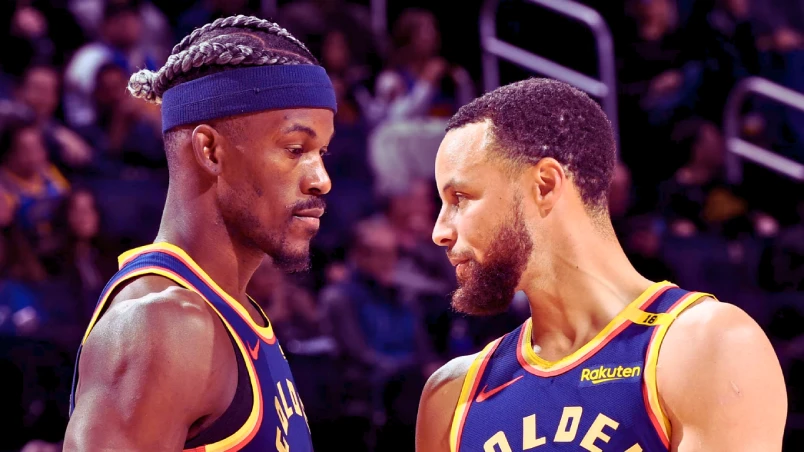
There are moments in sports when respect speaks louder than statistics. Late last year, reports and social media posts began circulating that Jimmy Butler, now a teammate of Stephen Curry on the Golden State Warriors, called Curry the best player in the world. Whether he used those exact words or conveyed the sentiment through praise and playful self-effacement, Butler’s comments carry weight because they come from a competitor who has forged his reputation through toughness, leadership, and clutch performances. This is more than a headline. It is a snapshot of how one elite player views another, and it reveals a deeper story about legacy, team chemistry, and how the game of basketball continues to change.
The Moment and the Message:
The chatter started in late November and early December 2025, when fans and analysts picked up on Butler’s public praise for Curry. Some posts quoted Butler referencing the dynamic between them with a comic-book analogy, calling himself Robin to Curry’s Batman. That lighthearted line masks a profound recognition. Butler has always been a player who measures value not only in points and rebounds but in influence and leadership. For him to elevate Curry in any capacity suggests an appreciation for what Curry brings to the floor beyond the box score.
This type of acknowledgment matters because it bridges generations and playing styles. Butler made his bones in a different era of personal narratives and defensive tenacity, while Curry’s career has been defined by a revolution in spacing, shooting, and tempo. When Butler publicly nods to Curry, it is an informal passing of respect from one basketball mind to another, and it invites fans to reconsider their assumptions about greatness.
Curry’s Transformative Impact on Basketball:
Calling Stephen Curry the greatest shooter of all time is more than a cliché. It is a recognition that Curry reshaped offensive basketball at every level. His range, rhythm, and quick release forced defenses to extend farther than ever before. Coaches had to rethink spacing, play designers had to account for deeper threats, and entire offensive philosophies evolved to either contain or replicate what Curry does naturally.
This transformation has had ripple effects through college programs, international play, and the NBA. Teams that once prized size and post play began to value shooting and floor spacing. Defenses constructed around traditional paint protection had to adapt to a world where a shot from 30 feet could end a game with the same inevitability as a layup once did. Curry’s influence is embedded in the playbooks of countless teams and the training regimens of young players who emulate his handle and shot mechanics.
The Debate Over “Best Player in the World”:
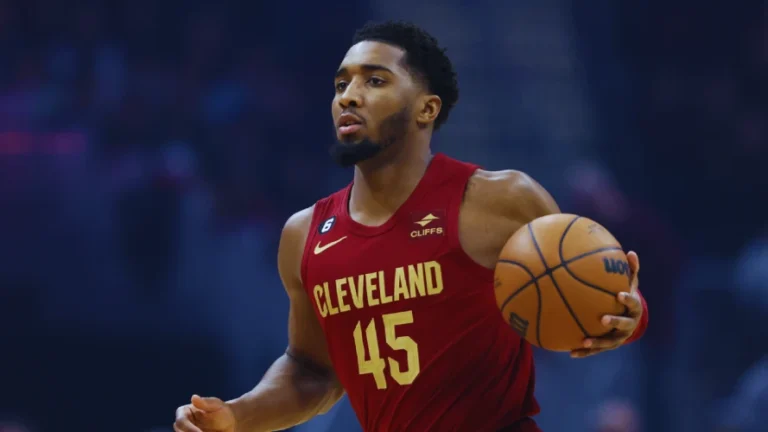
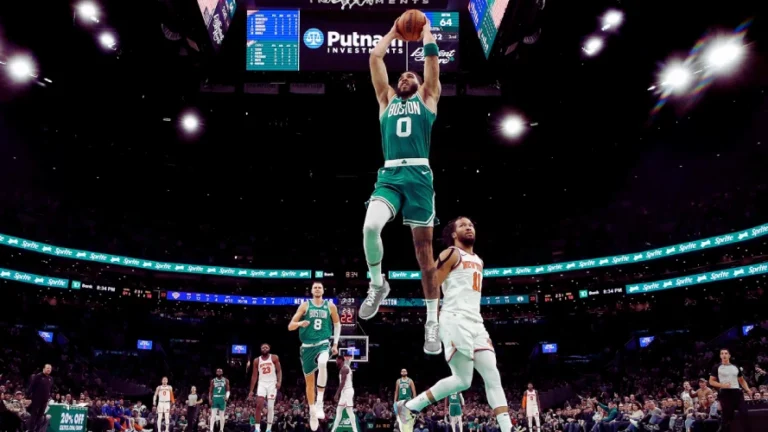
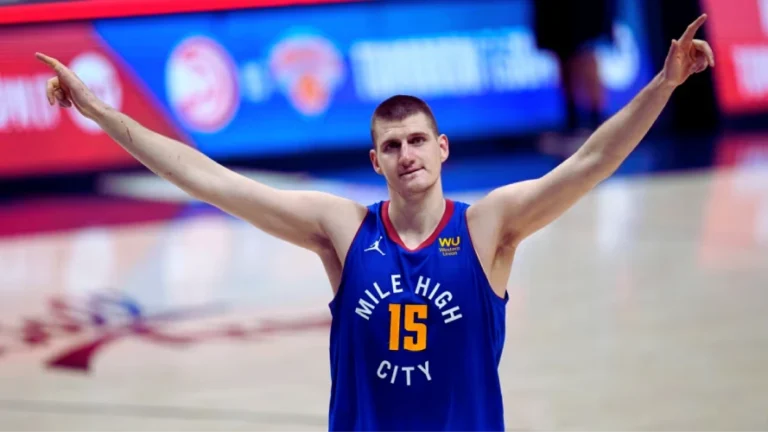
Arguing who is the best player on the planet is inevitably subjective. Fans, analysts, and insiders weigh different attributes depending on what they value most. Some prioritize versatility and playmaking. Others emphasize individual efficiency, two-way impact, or championships. In the modern era, discussions often include names like LeBron James, Nikola Jokic, Giannis Antetokounmpo, and others who bring dramatically different skill sets to the court.
Butler’s reported declaration brings Curry into this eclectic conversation for reasons beyond scoring. Curry changes how opponents prepare and adjust. His mere presence on the floor alters shot charts and forces coaches to rethink rotations. That kind of influence is harder to quantify but no less real. By saying Curry is the best, Butler pushed the debate toward an appreciation of game-altering impact rather than pure statistical dominance.
Context in the 2025-26 Season:
The 2025-26 season has presented its own twists and turns for Curry and the Warriors. Recently sidelined by a quad contusion, Curry’s absence was felt immediately in terms of spacing and offensive fluidity. His teammates, including Butler, were asked to adapt and shoulder different responsibilities. Butler’s recent performance in a game without Curry—24 points, 8 rebounds, and 10 assists—was evidence of leadership stepping up when required. It also served as a reminder that the Warriors are not a one-man show; they are a collective that thrives when veterans and role players embrace bigger roles.
Butler’s on-court adaptability in such moments helps explain his perspective. Teammates who see Curry day in and day out observe not only his shot-making but his prep, decision-making, and the subtle ways he moves teammates into better positions. Those intangibles often shape locker room respect and lead to candid public praise.
Chemistry, Ego, and Teammates:
The Robin and Batman metaphor tells us something about ego management and team construction. Butler has long possessed a brand of leadership that is candid and confrontational at times. Joining forces with Curry requires adapting to a superstar whose game is both less about physical dominance and more about redefining role expectations. That Butler frames himself as Robin is an expression of humility and recognition that the Warriors’ system elevates a certain player archetype.
This kind of chemistry matters for championship aspirations. When elite players can acknowledge one another’s strengths without needing to steal the spotlight, teams become more than the sum of their parts. Butler’s deference to Curry, genuine or performative, provides a storyline that goes beyond matchups and box scores. It shapes how teammates interact, how coaches draw up plays, and how opponents strategize.
A Deeper Look at Influence Versus Skill:
The conversation sparked by Butler’s praise illuminates a core question in basketball discussion circles: how should influence be weighed against raw skill? Curry’s shooting prowess is a measurable skill. His influence on opponent strategy and team construction is more abstract. The best-player debate rarely yields a definitive answer because greatness wears many masks. There are players who produce jaw-dropping numbers, others who anchor defenses, and still others who rearrange the sport itself. Curry represents the latter in the most modern of senses.
Conclusion:
When Jimmy Butler praises Stephen Curry as the best, it does more than inflate rankings or fan debates. It highlights a profound truth about sports: admiration among peers often reveals more than highlight reels. Butler’s words, playful or serious, are an acknowledgment of Curry’s transformative impact on basketball and a marker of the evolving dynamics in the NBA. Whether you agree with the label or prefer other candidates for the crown, the conversation itself celebrates basketball’s capacity to change, adapt, and inspire. In a sport that values both individual brilliance and collective harmony, the mutual respect between players like Butler and Curry is a reminder that greatness is often recognized most clearly by those who have experienced it firsthand.