
Introduction:
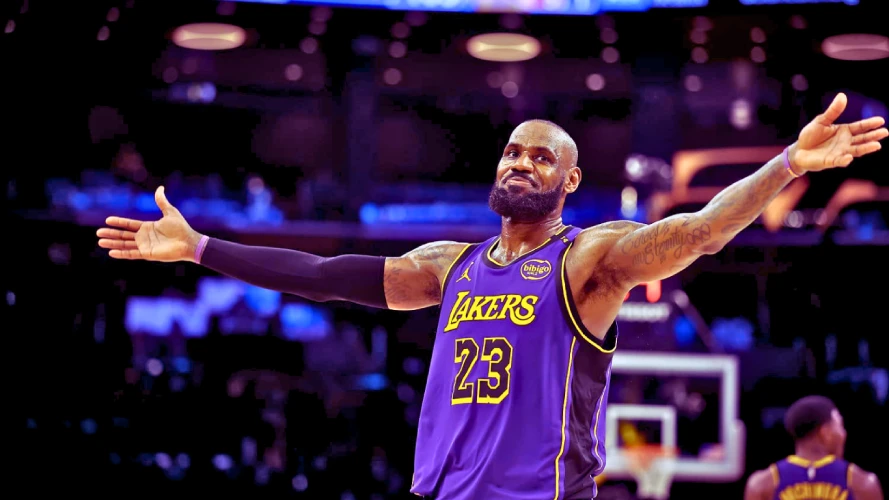
When LeBron James and Nike announced their “lifetime relationship” in 2015, it landed like a seismic shift across sports, business and culture. The announcement was short on exact figures and long on symbolism: here was a partnership that transcended the typical endorsement model and promised to follow a single athlete’s journey well beyond his playing days. While neither side publicly detailed the full financial terms, credible reporting and insiders painted a clear picture of a deal so powerful it likely eclipsed a billion-dollar valuation. That single phrase lifetime relationship captured imagination because it signaled not merely a contract, but a deep, decades-spanning investment in a global icon.
A relationship rooted in history and mutual growth:
To understand why Nike committed so fully to LeBron, it helps to look back at how their relationship evolved. LeBron’s association with Nike began in 2003 with a seven-year, $90 million contract that arrived as the young star transitioned from high school phenom to NBA superstar. Over time the partnership grew organically. Nike invested in LeBron’s shoes, his media ventures, and his brand presence; LeBron in turn became one of the most marketable and culturally resonant athletes of his generation. By 2015 the relationship had matured into something neither party wanted to fracture. Nike had long seen LeBron not just as a player to sell shoes but as an architect of culture whose influence could power a brand for decades.
What we know about the deal and what we don’t:
Nike and LeBron kept the contract’s exact terms private, which only intensified curiosity. Publicly Nike declared the agreement a first-of-its-kind lifetime partnership and the largest single-athlete guarantee in its history. Journalists and industry insiders filled in the blanks. Reports suggested LeBron’s annual compensation through a blend of base pay and royalties would fall in the $30–40 million range—an amount that, when projected over a long lifetime horizon and combined with product royalties and ancillary ventures, aligns with the idea that the partnership could surpass $1 billion in total value. In 2016 LeBron’s longtime business partner Maverick Carter added fuel to the narrative when he told GQ Style the deal exceeded $1 billion, responding to direct inquiry with an upward nod rather than a formal breakdown.
Why Nike bet on a lifetime partnership:
Nike’s decision to make such an extraordinary pledge was strategic. The company recognized LeBron’s reach beyond basketball: his films, philanthropic work, media ventures and unflinching voice on social issues made him a cultural figure whose influence could multiply many times over the life of the deal. Nike also faced competitive pressure. Rival brands were aggressively courting other stars Under Armour had secured Stephen Curry, reshaping the market for signature deals. By locking LeBron into an unprecedented lifetime relationship, Nike not only secured a superstar but also made a statement about its willingness to invest in long-term cultural relevance rather than short-term sales spikes.
The structure and implications of lifetime deals:
Although exact contract mechanics remain private, the public contours of the LeBron-Nike arrangement illuminate a bigger trend in sports commerce. Lifetime deals typically combine guaranteed payouts with royalties tied to signature product sales and broader collaborative ventures. For an athlete of LeBron’s stature, the value is not only financial. Lifetime agreements can guarantee legacy control, provide continuity for branding and keep creative influence within the purview of the athlete and the company. For Nike the arrangement means continuity of a lucrative signature line, while for LeBron it meant long-term financial security and a platform to grow his brand on his own terms.
Cultural impact and how the market changed:
The LeBron-Nike lifetime deal reverberated beyond corporate balance sheets. It helped normalize the idea that athletes could be long-term brand partners rather than transient spokespeople. The deal underscored how modern athletes are multifaceted entrepreneurs who can influence media, fashion and social discourse. By keeping LeBron’s brand under the Nike umbrella—in contrast to Michael Jordan’s separate Jordan Brand the arrangement signaled a different approach: integration rather than full independence, harnessing Nike’s global distribution and marketing machinery while still elevating LeBron’s personal brand.
Critics, supporters and the balance of power:
Not everyone greeted the lifetime deal with universal applause. Critics questioned the precedent of such vast guarantees and worried about the concentration of marketing power. Others argued that by tying an athlete so closely to a single corporation, it could limit future opportunities. Supporters countered that in an era of athlete empowerment, lifetime arrangements provide stability and ensure athletes receive compensation that reflects their enduring cultural contributions. LeBron’s stature both as a player and as an executive-level thinker in media and business made him uniquely suited for a relationship of this magnitude.
Legacy and what it means for future athlete deals:
The real impact of LeBron’s lifetime deal with Nike will be measured in time. Already the partnership has influenced a new generation of contracts where long-term brand alignment, creative input and equity stakes are more common. Athletes now negotiate not just for paycheck and royalties but for structural influence and legacy-building opportunities. Leaning into this model, brands can cultivate deeper stories with athletes, and athletes can ensure their influence persists long after retirement.
A personal and cultural partnership:
Beyond the numbers the LeBron-Nike agreement is a story about mutual belief. Nike believed LeBron could shape culture, while LeBron trusted Nike’s global reach and infrastructure to grow his brand authentically. That mutual faith created a partnership that has become emblematic of modern sports business where the lines between athlete, entrepreneur and cultural leader are increasingly blurred.
Conclusion:
LeBron James’ 2015 lifetime deal with Nike was more than a headline-making contract; it was a turning point for how athletes and brands envision long-term partnerships. While the precise dollar figure remains undisclosed, credible reporting and insider confirmation make the billion-dollar valuation plausible and symbolically powerful. The deal reshaped expectations around endorsement structures, elevated athlete agency and demonstrated the value of investing in cultural icons for the long haul. Years from now, the LeBron-Nike relationship will likely be cited as a defining moment in sports marketing, an example of how deep collaboration can create both financial value and lasting cultural legacy.