
Introduction:
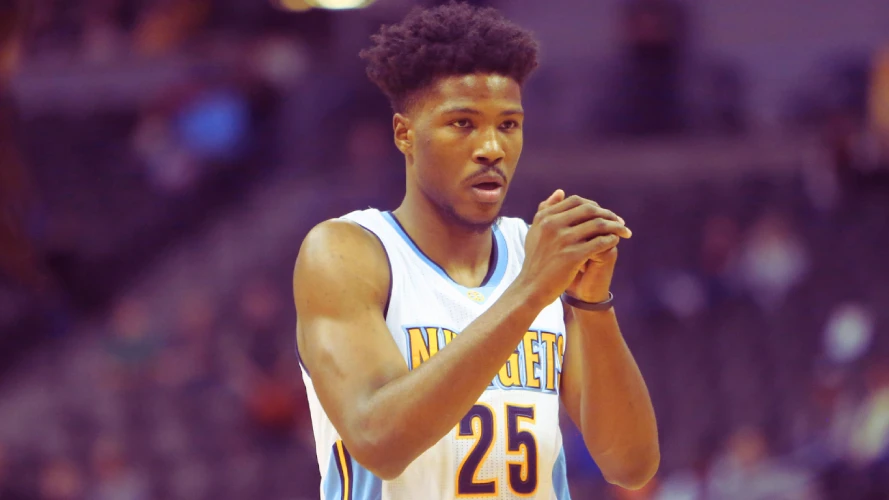
Few stories in sports feel as fraught and human as the one unfolding around Malik Beasley. A talented shooter who has carved out a role across multiple NBA rosters, Beasley now finds himself at the center of uncertainty that extends beyond the hardwood. As of Monday, December 1, 2025, he has not signed with the L.A. Clippers or any other team for the upcoming season. While recent reports indicate a federal investigation no longer lists him as a target, the NBA is still conducting its own inquiry, and the lingering questions have left Beasley in a professional and personal holding pattern. For fans and teams alike the situation raises complicated questions about accountability rehabilitation and the fragile nature of an athlete’s career.
A career interrupted:
Beasley’s journey in the NBA has been marked by both bright shooting nights and periods of transition. He spent the 2024-25 season with the Detroit Pistons where his perimeter scoring and veteran experience added value to a young roster. Yet contracts in the league can be fleeting, and off-court developments can suddenly reshape opportunity. News that Beasley had become entangled in gambling-related allegations cast a shadow over his free agency prospects. For a player entering the open market the timing could not be more consequential. A cleared federal position offers relief but does not immediately restore normalcy or guarantee a team’s willingness to sign him.
Legal clearance does not equal roster security:
The recent development that federal authorities no longer considered Beasley a target is a notable turning point. It removes a major legal cloud and opens the door for teams to re-engage in negotiations. However legal clearance is only one piece of a larger puzzle. The NBA operates under its own policies and disciplinary frameworks. The league’s investigation runs independently and has its own standards for conduct and sanctions. Organizations weighing a potential signing must consider not just the legal risks but the reputational implications and locker room dynamics that come with bringing on a player who has been publicly scrutinized.
Teams balancing risk and reward:
From the perspective of teams such as the L.A. Clippers the calculus is delicate. Beasley is a proven three-point threat and a veteran depth piece who can help spacing and scoring. In an era where outside shooting is a premium asset his skill set has clear on-court utility. Yet franchises must balance that potential upside against the public relations fallout, possible league discipline, and the impact on team culture. Signing a player under investigation can invite scrutiny from fans media and sponsors even when legal risks have been reduced. This explains why Beasley remains unsigned despite reports that federal investigators have eased their focus.
The human toll and public perception:
Beyond transactions and inquiries the situation takes a real toll on Beasley personally. Free agency is a stressful time for any player but it becomes existential when combined with legal and league scrutiny. The prospect of having to defend one’s reputation in public while staying prepared physically to play at the highest level is mentally exhausting. Families and teammates watch with concern as a career hangs in the balance. Public perception also matters. Fans are quick to form judgments and social media accelerates those narratives. Rehabilitation of image and trust requires time transparency and consistent behavior, not just legal victories.
What clarity might look like:
If the NBA’s internal review leads to a clearing of wrongdoing or a minimal sanction teams may feel more comfortable making offers. In that scenario Beasley could re-enter free agency conversations and potentially secure a role similar to the one he filled in Detroit—spot minutes as a shooting wing providing depth scoring. Conversely if the league issues a substantial suspension or penalty teams are likely to tread carefully and interest may wane. Even short-term suspensions make teams evaluate roster construction given the lost availability and potential distraction. Until the NBA releases its findings or teams make definitive moves the uncertainty will persist.
Market projections and fit:
Assuming the path clears Beasley’s most realistic market is a contender or playoff-caliber team seeking perimeter shooting and veteran depth. Organizations that prioritize immediate championship windows often value specialists who can produce off the bench and commit to defined roles. Alternatively rebuilding teams might be reluctant to take on perceived baggage unless the price is low and the upside is clear. For Beasley the ideal landing spot would be a stable environment with strong leadership where expectations are transparent and the organization can manage any external scrutiny.
A test for the league’s policies:
This episode also raises broader questions about how the NBA navigates gambling-related allegations and player conduct. The league has tried to strike a balance between protecting the integrity of the game and ensuring due process for players. High-profile cases test those policies and the public’s confidence in the system. Transparency about investigative timelines, consistent application of rules, and clear communication from the league help preserve trust. For players like Beasley the stakes are personal and professional; for the NBA the stakes are institutional credibility.
Moving forward with care:
As Beasley waits for clarity the posture of teams and fans should reflect both accountability and empathy. Athletes are public figures but they are also people with careers that can pivot on single moments. If federal investigators have moved him out of the most serious legal crosshairs that is meaningful. Yet the NBA’s decision and the subsequent reactions from franchises will define the next chapter. For Beasley the road back will likely require patience transparent cooperation with league processes and consistent performance once given an opportunity.
Conclusion:
Malik Beasley’s situation is emblematic of the precarious nature of professional sports where legal inquiries league investigations and public opinion intersect and each can alter a career trajectory. Being cleared as a federal target is a pivotal development offering a chance to re-engage with teams. Still the absence of a signed contract as of December 1 2025 highlights the complexities beyond legal status. The NBA’s ongoing probe the reputational calculus for teams and the human cost for Beasley and his family all contribute to a story that remains unresolved. As fans and observers we can watch closely for definitive action from the league and any team willing to extend a roster spot. When and where Beasley plays next will tell us much about the league’s balance between integrity redemption and the realities of basketball business.