
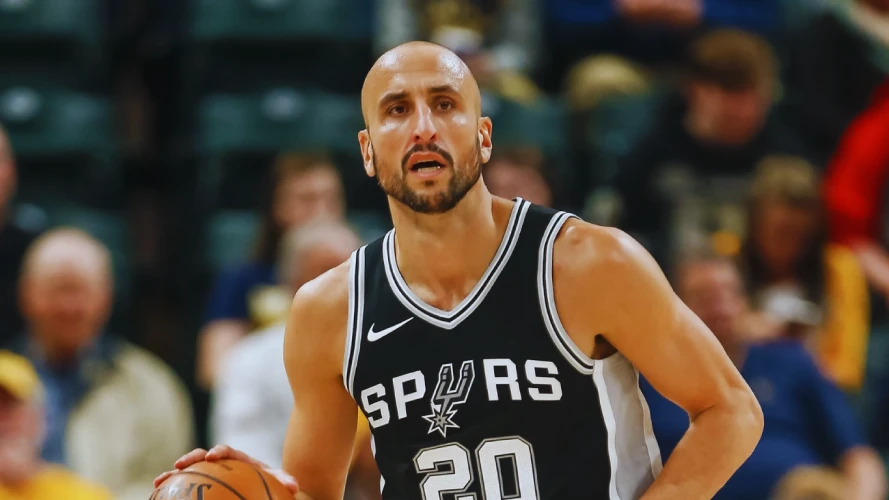
Rumors can travel fast in the NBA world, especially when they involve a legend like Manu Ginóbili and a franchise in transition such as the San Antonio Spurs. Recent chatter suggesting Ginóbili is being hired as an assistant coach focused on developing young talents like Stephon Castle and Dylan Harper has ignited excitement across social media. Yet that narrative oversimplifies the reality. Ginóbili already plays a vital, though less visible, role within the organization as a Special Advisor to Basketball Operations, and his influence on the team’s future is both substantial and quietly profound.
Ginóbili’s true role with the Spurs matters because it reflects how modern franchises cultivate talent. The Spurs have long been a model of sustained player development, and Ginóbili’s presence is an extension of that ethos. Since September 2021 he has served in an advisory capacity, leaning into mentorship, player development, and the intangible cultural stewardship that helped define San Antonio’s decades of success. The question now is not whether Ginóbili will don a coach’s headset but how his advisory role helps shape the trajectories of promising young players like Castle and Harper.
A Quiet Architect of Growth There’s romance in the idea of a basketball icon stepping onto the sidelines as an assistant coach, barking instructions and drawing up plays. That image sells headlines. The reality is often subtler and arguably more impactful. As a Special Advisor to Basketball Operations, Ginóbili operates behind the scenes. He brings the credibility of a Hall of Famer who intimately understands the Spurs’ DNA: disciplined fundamentals, humility, and a patient long-term approach to player development.
Young players benefit from mentorship that extends beyond Xs and Os. Ginóbili’s guidance focuses on professional habits, decision-making, and mental resilience—qualities that help players navigate the challenges of an NBA season. For developmental prospects like Stephon Castle and Dylan Harper, this kind of attention can be as valuable as formal coaching. It’s mentorship calibrated to the modern player: equal parts technical advice, cultural immersion, and life guidance.
Stephon Castle and Dylan Harper: Potential Tempered by Reality Stephon Castle arrived in San Antonio with expectations befitting a skilled, versatile guard who could run an offense and create for others. His 2024–25 Rookie of the Year campaign confirmed his ability to impact winning at the highest level. Dylan Harper, taken second overall in the 2025 NBA Draft, arrived with similar promise—a young wing with offensive touch and defensive potential. The Spurs’ roster construction and player-development reputation make San Antonio a logical landing place for prospects who need structure, patience, and a culture that prizes gradual growth.
Yet both players have faced setbacks. As of late November 2025 Castle has been managing a hip injury while Harper has been hampered by a calf strain. Injuries are part of the pro game, and their timing can be cruel, interrupting momentum and testing confidence. How a franchise responds in these moments is telling. The Spurs have historically managed young players conservatively, emphasizing long-term outcomes over short-term wins. That philosophy dovetails with Ginóbili’s advisory approach. He can provide perspective drawn from championship experience and personal tenacity, helping players process the frustration of rehab while reinforcing the habits that will serve them once they return.
Why Ginóbili’s Role Is More Valuable Than a Title Titles matter in the media narrative, but function matters more in practice. An assistant coach may handle daily practice drills and in-game adjustments, but a Special Advisor can influence roster planning, player integration, and the culture that shapes a player’s career arc. Ginóbili’s role allows him to interact fluidly with players across contexts—workouts, film sessions, one-on-one conversations without the constraints of in-game responsibilities. That freedom can make his mentorship more individualized and holistic.
For Castle and Harper, working with Ginóbili means access to a storied basketball mind who also understands the human side of the sport. He can teach fine-grained aspects of footwork and shot selection, but he can also offer counsel on handling pressure, balancing expectations, and building a career that endures beyond statistics. The Spurs’ front office benefits as well because Ginóbili’s insights inform broader decisions about playing time, development plans, and how to sequence a young player’s load to protect long-term health.
Analyzing the Rumors and What They Reveal Why do rumors like the assistant-coach story gain traction? Part of it is narrative appetite. Fans crave certainty and drama, especially when it involves symbiotic pairings of legend and youth. It is more thrilling to imagine Ginóbili pacing the bench, whispering secrets of success into the ears of Castle and Harper. But the rumor also reflects a real underlying optimism about San Antonio’s direction. The franchise is clearly committed to building through young talent and reestablishing itself as a developmental powerhouse. That mission attracts attention, and every tweak in staff or structure is parsed for significance.
Another factor is the evolving nature of roles in NBA front offices. Titles like Special Advisor, Senior Basketball Consultant, or Director of Player Development can encompass diverse responsibilities, and media shorthand sometimes conflates them. Fans hearing that Ginóbili is “working with players” naturally infer a coaching appointment. Clarifying the distinction preserves accuracy while acknowledging the substantive work he is already doing.
The Stakes: Health, Development, and Patience The immediate priorities for the Spurs remain clear: manage Castle and Harper’s recoveries effectively, maintain a patient development timeline, and ensure that both players are positioned to contribute meaningfully when healthy. That requires coordination between medical staff, coaching, and advisors like Ginóbili. It also requires a culture that accepts growing pains and prioritizes sustainable careers over headline-chasing bursts of production.
With a team culture that has historically rewarded patience and process, the Spurs are equipped to weather early turbulence. Ginóbili’s presence underscores that approach. His mentorship is not a headline grabber but an investment in the human capital of the franchise. If Castle returns from injury with renewed confidence and Harper’s calf issue is properly managed so he can progress without recurring setbacks, the long-term payoff could be significant.
The story of Manu Ginóbili and the San Antonio Spurs is not one of unconfirmed job titles but of careful, intentional stewardship of young talent. While it makes for a compelling rumor to suggest Ginóbili is joining the coaching staff, the truth is he has been quietly shaping the team’s future as a Special Advisor to Basketball Operations since 2021. His role in mentoring Stephon Castle and Dylan Harper, especially as they navigate injury and early career pressure, is a reminder that development in the NBA is as much about character and guidance as it is about tactics.
In a league obsessed with immediate results and sensational narratives, the Spurs’ patient blueprint and Ginóbili’s understated influence offer a compelling counterpoint. The franchise’s decision to lean into mentorship and measured growth could pay dividends for years to come. For fans, the takeaway is simple and reassuring: the Spurs are building carefully, and one of basketball’s most beloved figures is nearby, helping to guide the next generation through challenges that will ultimately define their careers.