

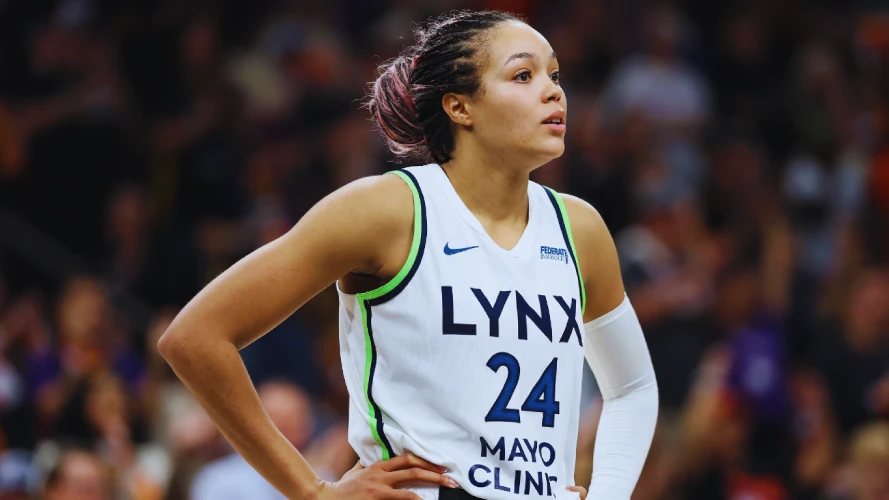
The clock is ticking louder than ever in the world of women’s professional basketball. As negotiations between the WNBA and its players association reach fever pitch, one of the league’s most respected voices has stepped forward with a message that cuts straight to the heart of the matter. Napheesa Collier, the Minnesota Lynx superstar and WNBPA vice president, has essentially thrown down the gauntlet, signaling that the current contract proposal from league executives simply doesn’t add up to the reality players are facing.
The stakes couldn’t be higher. With just weeks remaining before a crucial deadline, the future of women’s professional basketball hangs in the balance. What started as routine contract negotiations has evolved into something far more significant: a defining moment that will determine whether the WNBA can translate its recent surge in popularity and financial success into meaningful compensation for the athletes who drive that success.
The Mathematical Reality Check
When Napheesa Collier chose to amplify Associated Press reporter Doug Feinberg’s pointed critique of the league’s latest offer, she wasn’t just sharing a social media post. She was delivering a calculated message that exposed the fundamental disconnect between the WNBA’s public statements about growth and their private contract proposals to players.
The numbers being discussed paint a picture that many find difficult to reconcile with the league’s stated commitment to player welfare. A proposed salary cap of five million dollars across entire teams, combined with maximum individual salaries of 1.2 million dollars, creates a mathematical puzzle that even casual observers are beginning to question.
Feinberg’s observation about the impossibility of achieving a 500,000 dollar average salary under these parameters wasn’t just statistical analysis. It was a reality check that highlighted how the league’s proposal might sound impressive in press releases while failing to deliver meaningful change for the vast majority of players who make up the roster spots beyond the superstar level.
The disconnect becomes even more stark when considering that these negotiations are happening against the backdrop of unprecedented growth in viewership, attendance, and overall league revenue. Players are watching their sport reach new heights of popularity while being asked to accept contract terms that don’t seem to reflect that success.
The Housing Controversy
Perhaps no single issue better illustrates the gap between league rhetoric and player reality than the proposed elimination of team-provided housing. For years, the WNBA has provided apartments for players during the season, acknowledging the unique financial pressures that come with relatively short careers and modest salaries compared to other professional sports.
The league’s suggestion that players should now cover their own housing costs while receiving what many consider inadequate salary increases has become a lightning rod for frustration. The math that Feinberg highlighted, and that Collier endorsed by sharing, reveals the cruel irony of this proposal: players might see their minimum salaries increase from 60,000 to 225,000 dollars, but then be asked to absorb housing costs that could easily consume a significant portion of that increase.
This isn’t just about dollars and cents. It’s about respect and recognition of the sacrifices that WNBA players make to pursue their professional dreams. Many players supplement their WNBA income by playing overseas during the offseason, spending months away from family and friends to maintain their financial stability. The idea that they should now absorb additional housing costs while the league celebrates record revenues strikes many as fundamentally unfair.
The housing issue also represents a broader philosophical divide about how the WNBA views its relationship with players. Providing housing has been one of the ways the league acknowledged the unique challenges of building a sustainable career in women’s professional basketball. Removing that support while not providing commensurate salary increases sends a message that many players find difficult to accept.
The Collective Bargaining Chess Match
Collier’s decision to publicly highlight the mathematical problems with the league’s proposal represents a strategic move in what has become an increasingly complex negotiation. As WNBPA vice president, her voice carries significant weight not just with players, but with media and fans who are following these developments closely.
The extension of the current CBA until January 9th provided both sides with additional time to find common ground, but it also created additional pressure. Every day that passes without an agreement brings the league closer to a potential disruption that could affect the 2026 season. The possibility of labor action looms large over discussions, even as both sides publicly express optimism about reaching a deal.
What makes these negotiations particularly challenging is the rapid pace of change within the WNBA landscape. The league that signed the 2020 CBA was operating in a very different environment than the one that exists today. Television viewership has exploded, attendance has reached new heights, and corporate sponsorship deals have reflected growing confidence in the league’s commercial viability.
Players are understandably frustrated that their compensation hasn’t kept pace with these dramatic improvements in league fortunes. The gap between the league’s success and player compensation has become increasingly difficult to justify, particularly when compared to other professional sports where revenue sharing arrangements more directly tie player salaries to league growth.
The Broader Context of Women’s Sports
The WNBA CBA negotiations are unfolding against a backdrop of unprecedented growth and recognition for women’s professional sports. From the success of women’s college basketball to the explosion of interest in women’s soccer and other sports, female athletes are commanding attention and generating revenue in ways that seemed impossible just a few years ago.
This broader context makes the current contract dispute particularly significant. The WNBA has positioned itself as a leader in women’s professional sports, and the outcome of these negotiations will send a message about how that leadership translates into compensation for the athletes who make the league possible.
The increased visibility of women’s sports has also created new pressures for league executives. Fans and media are paying closer attention to issues of fairness and compensation than ever before. Social media has amplified player voices and created direct communication channels between athletes and their supporters that didn’t exist in previous contract cycles.
The Economics of Professional Women’s Basketball
Understanding the current contract dispute requires examining the unique economic realities of professional women’s basketball. Unlike major men’s sports leagues that have decades of established revenue streams and massive television contracts, the WNBA has been building its financial foundation in real time.
The league’s recent growth represents both an opportunity and a challenge. While increased revenue provides more resources for player compensation, league executives must also balance immediate player demands against long-term stability and growth investments. This tension between present compensation and future sustainability underlies many of the current disagreements.
However, players like Collier are arguing that the league’s caution about sharing revenue gains doesn’t match the reality of their success. The mathematical problems she highlighted in the league’s proposal suggest that executives may be underestimating both player expectations and public scrutiny of their compensation decisions.
The Social Media Strategy
Collier’s decision to share Feinberg’s analysis rather than issuing her own statement represents a sophisticated approach to public messaging during sensitive negotiations. By amplifying an independent journalist’s assessment, she was able to highlight the problems with the league’s proposal without appearing to directly attack league officials.
This strategy reflects the modern reality of labor negotiations in professional sports. Social media has become a crucial battleground for public opinion, and players have learned to use these platforms effectively to build support for their positions. The viral nature of Collier’s post demonstrates how quickly contract negotiation details can become public talking points.
The league now finds itself in the position of having to respond not just to private player concerns, but to public criticism of their proposal’s mathematical feasibility. This additional layer of scrutiny may ultimately work in favor of players who are seeking more transparent discussions about revenue sharing and compensation structures.
The Pressure Points
As negotiations continue, several key pressure points are becoming increasingly apparent. The housing issue represents just one area where league proposals are meeting significant player resistance. The longer season and pre-draft combine additions to the schedule also face scrutiny from players who question whether additional commitments are being appropriately compensated.
The timeline pressure cannot be understated. With the January 9th deadline approaching rapidly, both sides face the prospect of potentially disruptive labor action that could damage the league’s momentum at a crucial growth period. Neither players nor league officials want to see the 2026 season affected by unresolved contract disputes.
The public nature of the disagreement, highlighted by Collier’s social media activity, has also created additional pressure for quick resolution. Fans and media are now actively following negotiation developments, creating external pressure for both sides to find common ground.
Looking Toward Resolution
Despite the apparent gulf between the league’s proposals and player expectations, both sides continue to express optimism about reaching an agreement. The extension of the current CBA suggests that productive discussions are continuing, even as public statements reveal significant disagreements about specific terms.
The mathematical problems that Collier highlighted may actually provide a pathway toward resolution. By clearly articulating why the current proposal doesn’t work, players have created an opening for league officials to revise their offer in ways that address these specific concerns.
The broader success of women’s professional basketball also creates incentives for both sides to find common ground. The momentum that the WNBA has built over recent years represents too valuable an asset to risk through prolonged labor disputes.
Conclusion
Napheesa Collier’s stark message about the WNBA’s contract proposal has crystallized the fundamental tensions underlying current collective bargaining negotiations. Her decision to publicly highlight the mathematical inconsistencies in the league’s offer represents more than just a negotiation tactic; it’s a call for honest recognition of the value that players bring to an increasingly successful enterprise.
The numbers don’t lie, and that’s exactly the point Collier was making when she amplified criticism of proposed salary structures that promise impressive headlines while delivering questionable real-world benefits for most players. As the January 9th deadline approaches, league executives must grapple with the reality that their current proposal has been exposed as mathematically problematic by one of the sport’s most respected voices.
The outcome of these negotiations will determine far more than just player compensation for the next several years. It will establish whether the WNBA can successfully translate its remarkable growth into meaningful recognition for the athletes who drive that success. The stakes extend beyond basketball to the broader landscape of women’s professional sports, where the WNBA’s approach to revenue sharing and player compensation will be watched closely by other leagues and athletes.
As fans and media continue to follow these developments closely, both sides face pressure to reach an agreement that reflects the league’s success while ensuring its continued growth. Napheesa Collier’s message has made it clear that players are no longer willing to accept proposals that don’t match the mathematical reality of meaningful compensation. The question now is whether league executives are ready to respond with offers that truly reflect their stated commitment to player welfare and league growth.