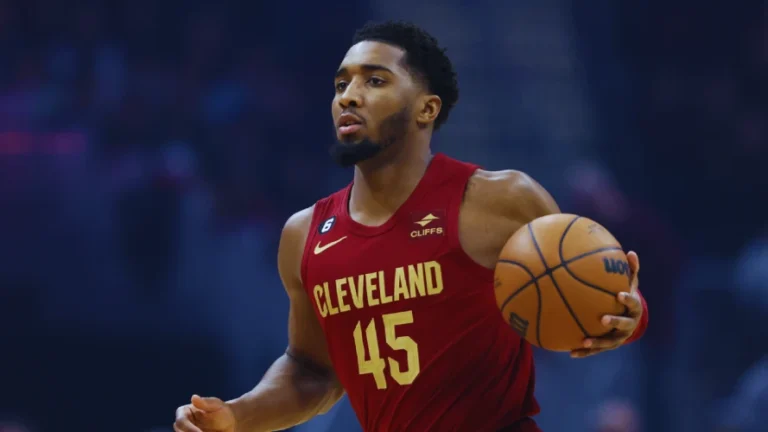


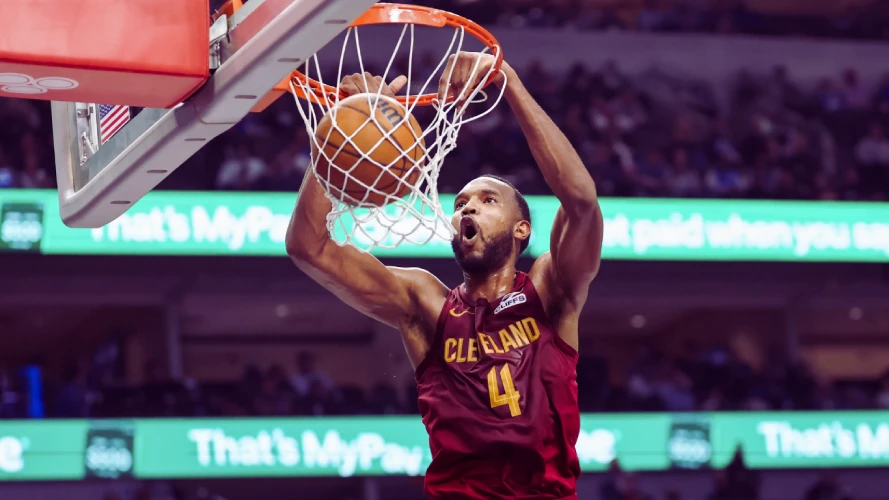
The hammer has fallen hard on the Cleveland Cavaliers, and this time the NBA isn’t playing games when it comes to star player participation. In a stunning financial blow that echoes throughout the league, the Cavaliers have been slapped with a crushing $250,000 fine for sitting All-Star guard Darius Garland during their nationally televised matchup against the Toronto Raptors on November 24th.
This hefty penalty represents far more than just a financial setback for Cleveland. It signals the league’s growing frustration with teams that prioritize rest over entertainment value, particularly when millions of fans tune in expecting to see the sport’s brightest stars compete on the biggest stages.
The fine sends shockwaves through an organization that appeared to be pushing the boundaries of the NBA’s player participation policy, testing just how far they could bend the rules before facing serious consequences. For a franchise riding high on an impressive early-season surge, this financial punishment serves as a stark reminder that success on the court doesn’t grant immunity from league regulations designed to protect the integrity of nationally broadcast games.
A Pattern of Policy Violations
What makes this situation particularly damaging for the Cavaliers is that this represents their second violation of the player participation policy this season. The organization was previously fined $100,000 on November 18th for sitting both Evan Mobley and Donovan Mitchell during their November 12th game against the Miami Heat.
This escalating pattern of violations demonstrates either a fundamental misunderstanding of league policy or a calculated decision to absorb financial penalties in pursuit of strategic rest advantages. Either scenario reflects poorly on an organization that has worked tirelessly to rebuild its reputation and competitive standing following years of post-LeBron James struggles.
The doubling of the fine amount from $100,000 to $250,000 clearly indicates the NBA’s intention to make these penalties progressively more painful for repeat offenders. League officials appear determined to send a message that protecting the entertainment value of nationally televised games remains a top priority, regardless of individual team strategies or player management philosophies.
The timing of these violations also raises questions about Cleveland’s decision-making processes during what has been their most successful start to a season in recent memory. With the team performing at an elite level and generating significant national attention, choosing to rest key players during high-profile games seems counterintuitive to building long-term fan engagement and league-wide respect.
The Investigation Reveals Strategic Calculations
The league’s investigation into Garland’s absence uncovered details that make Cleveland’s decision even more questionable from a policy compliance perspective. According to NBA findings, Garland was fully capable of participating in the nationally televised game against Toronto, having played just the night before at home against the LA Clippers on November 23rd.
This back-to-back scenario created the perfect storm for policy violation. Garland’s participation in the first game of the series demonstrated his availability and health, making his subsequent absence during the nationally broadcast second game a clear violation of league regulations governing star player participation.
The investigation revealed that Cleveland made a conscious decision to rest their All-Star guard during the more visible of the two games, choosing to have him play in the home contest while sitting out the nationally televised road game. This decision suggests either poor planning or deliberate disregard for the policy’s intention to ensure star players appear in games with maximum viewership potential.
The contrast becomes even starker when considering that the Toronto game was broadcast on both Sportsnet in Canada and Peacock in the United States, providing extensive North American coverage that the league specifically aims to protect through these participation policies. Cleveland’s decision to rest Garland during this high-visibility contest directly undermined the entertainment value that broadcasters and fans expect from nationally televised NBA games.
The Broader Context of Cleveland’s Season
The irony of these violations becomes apparent when examining Cleveland’s remarkable early-season performance. The Cavaliers have emerged as one of the league’s most compelling stories, combining veteran leadership with young talent to create a legitimate contender in the Eastern Conference. Their success has generated increased national attention and elevated expectations for continued excellence.
However, their approach to player management has created an unfortunate subplot that threatens to overshadow their on-court achievements. The decision to rest multiple star players during nationally televised games suggests an organizational philosophy that prioritizes long-term health over short-term entertainment value, a stance that conflicts directly with league priorities and fan expectations.
The Toronto game itself provides additional context for why this fine feels particularly harsh. The Raptors defeated Cleveland 110-99, extending their own winning streak to eight games while the undermanned Cavaliers struggled without their primary playmaker. The absence of Garland, combined with injuries to Jarrett Allen and the rest day given to De’Andre Hunter, created a significantly diminished product for national television audiences.
Fans tuning in to watch what they expected to be a competitive contest between two rising Eastern Conference teams instead witnessed a lopsided affair where one team was clearly operating without key contributors. This scenario exemplifies exactly what the player participation policy was designed to prevent.
The Financial and Reputational Impact
The $250,000 fine represents substantial financial punishment that extends beyond the immediate monetary impact. For an organization working to establish itself as a premier destination for free agents and trade targets, repeated policy violations create negative perceptions about professionalism and league standing.
The escalating nature of these fines also suggests that future violations could result in even more severe penalties, potentially including draft pick forfeiture or other competitive disadvantages. Cleveland’s front office must now weigh the benefits of strategic rest against the increasing costs of policy violations and potential long-term consequences.
The reputational damage may prove more costly than the financial penalties themselves. Other franchises, agents, and players take note when organizations repeatedly run afoul of league policies, particularly those designed to protect the entertainment value that drives the NBA’s enormous television revenue streams.
The timing of these violations during Cleveland’s most successful season in years also creates unfortunate associations between their on-court success and their willingness to circumvent league regulations. This narrative could complicate future relationships with league officials and impact how the organization is perceived during playoff seeding discussions or other subjective league decisions.
The League’s Message and Future Implications
The NBA’s decision to double the fine amount sends a clear message about escalating consequences for repeat offenders. League officials appear determined to protect the value of nationally televised games through increasingly severe financial penalties that make strategic rest decisions prohibitively expensive for most organizations.
This enforcement approach reflects the league’s broader strategy to maximize entertainment value and fan engagement across all nationally broadcast contests. With television revenue representing such a significant portion of overall league income, protecting the quality and competitive integrity of these games remains a top priority for NBA leadership.
The progressive penalty structure also suggests that future violations by Cleveland or other repeat offenders could result in even more severe consequences. Organizations must now factor potential fines of $500,000 or more into their player management calculations, making strategic rest decisions significantly more complex from a financial perspective.
The policy’s effectiveness depends entirely on making violations too expensive to justify, and the doubling of Cleveland’s fine suggests the league believes it’s moving in the right direction toward that goal.
Lessons for League-Wide Player Management
Cleveland’s costly experience provides valuable lessons for other NBA franchises navigating the complex balance between player health and league policy compliance. The escalating fines demonstrate that strategic rest must be implemented more carefully, with particular attention to nationally televised games and back-to-back scenarios.
Organizations must now develop more sophisticated player management systems that account for television schedules, injury reports, and policy compliance requirements. The days of simply resting star players whenever convenient appear to be ending, replaced by strategic approaches that prioritize policy compliance while still protecting long-term player health.
The Cleveland situation also highlights the importance of communication between team medical staffs, coaching staffs, and front office personnel. Ensuring that rest decisions align with both medical necessity and policy requirements demands coordination that many organizations may still be developing.
Conclusion
The NBA’s $250,000 fine against the Cleveland Cavaliers for sitting Darius Garland represents a watershed moment in the ongoing tension between player management and entertainment value. This substantial penalty, doubled from their previous violation, sends an unmistakable message that the league will no longer tolerate strategic rest during nationally televised games.
For Cleveland, this expensive lesson arrives during what should be a celebratory season marked by impressive on-court performance and renewed championship aspirations. Instead, they find themselves defending policy violations that threaten to overshadow their basketball achievements and create unwanted financial and reputational consequences.
The broader implications extend far beyond one organization’s checkbook. This enforcement action establishes precedent for increasingly severe penalties that could fundamentally change how teams approach player management throughout the league. The message is clear: protecting the entertainment value of nationally televised games remains non-negotiable, regardless of individual team strategies or competitive considerations.
As the season progresses, all eyes will be on Cleveland and other franchises to see how they adapt their player management approaches to this new reality. The cost of non-compliance has become too high to ignore, forcing organizations to find creative solutions that balance player health with policy requirements.
The NBA has drawn its line in the sand, and the price of crossing it continues to rise. For the Cleveland Cavaliers, this expensive education in policy compliance serves as a stark reminder that success on the court must be balanced with respect for the rules that govern the broader entertainment enterprise that makes that success possible.