
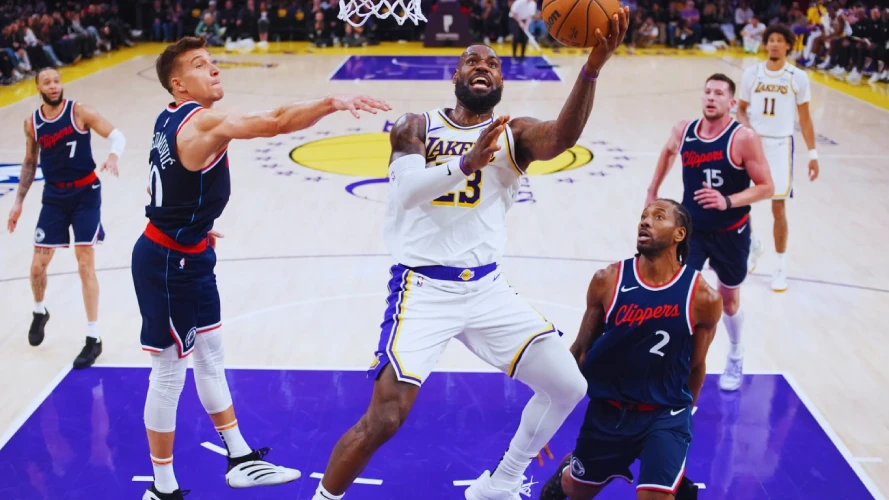
In the heat of an active NBA season, rumors move faster than a fast break. A recent social media post proposing a trade framework between the Los Angeles Lakers and the Los Angeles Clippers ignited feeds and sparked heated debate, but it deserves a careful, sober look. What began as a speculative scenario quickly morphed into something presented as plausible reporting, yet beneath the headlines the proposed swap collapses under scrutiny. This is not an official proposal, nor has it been reported by credible outlets. Instead it is an unsubstantiated rumor that misstates roster facts and confuses an eager fan base. In an era where misinformation spreads as quickly as highlights, examining this claim helps protect the conversation around real team-building decisions.
The rumor’s origin and why it spread Trade ideas and hypothetical packages are a staple of basketball chatter, especially in large markets like Los Angeles. Fans and bloggers alike dream up combinations that could reshape the balance of power between rivals. The recent Lakers-Clippers framework appears to have emerged from that ecosystem: a speculative exercise amplified by social media and niche sports pages hungry for engagement. Its viral nature owes less to insider confirmation and more to the emotional resonance of a crosstown blockbuster. After all, the mere thought of star swaps between the Lakers and Clippers stokes rivalry, rivalry fuels clicks, and clicks fuel more sharing.
Why the framework is not credible A closer look at the proposed deal reveals clear contradictions with current NBA facts. First, two players cited as belonging to the Lakers in the rumor are in fact on Los Angeles’ roster: Dalton Knecht and Gabe Vincent. Treating them as tradable pieces from some other team is a factual error that undermines the package’s premise. Conversely, the rumor lists Derrick Jones Jr. and Kris Dunn as Clippers assets; neither player is currently on the Clippers’ roster. While Derrick Jones Jr. has a history with Los Angeles teams, his inclusion as a current Clipper is inaccurate. These mistakes are not minor—they are fundamental inaccuracies that show the scenario was not based on reliable reporting or direct sources.
The danger of treating unverified trade talk as fact When fans, pundits, and even smaller outlets repeat speculative trade frameworks without clear sourcing, confusion spreads. Players’ reputations, team strategies, and even market perceptions can be affected. For players named in rumors, repeated misreporting can create unwarranted narratives about their standing with a club. For teams, it can create false expectations among fans and disruptive pressure within organizations. The NBA calendar itself has rules and protections, and teams operate within a framework of contracts, salaries, and league oversight. A social media rumor that ignores these variables can be entertaining but should never be mistaken for a credible front-office plan.
How to vet trade rumors responsibly Healthy skepticism is the best tool for fans navigating trade chatter. Start by checking whether major outlets such as ESPN, The Athletic, or the NBA’s own reporting have covered the topic. Reliable reporting typically cites team officials, league sources, or corroborated reporting from multiple outlets. If a rumor emerges only on social feeds and lacks confirmation, treat it as a conversation starter rather than hard news. Pay attention to concrete details: roster listings, contract statuses, injury reports, and salary cap implications. If those basics don’t align, the idea is likely speculative at best.
What the rumor reveals about fan desire and media dynamics The very existence and spread of this particular trade framework says something about the market around Los Angeles basketball. Fans are eager for dramatic moves that could shift local power. The Clippers and Lakers both command intense attention, and any imagined swap between them taps into long-running storylines about rivalry, identity, and championship windows. Media dynamics also play a role. In the race for attention, outlets sometimes prioritize speed over verification, and social platforms reward sensational content. The result is a conversation that can be emotionally charged but factually thin.
The real context for Lakers and Clippers fans For supporters tracking legitimate roster changes, the focus should remain on verified items that affect team construction. Both the Lakers and Clippers navigate injuries, contract management, and strategic decisions that are best understood through established reporting lines. Players like Dalton Knecht and Gabe Vincent belong to the Lakers roster situation and should be discussed accurately in that context. Clippers fans should look to official team communications and major sports outlets for reliable updates on their roster. Keeping attention on legitimate developments protects the integrity of fandom and allows for more constructive debate about team strategy.
Rumors are part of the NBA’s cultural fabric, and speculative trade frameworks can be entertaining mental exercises. However, the recent Lakers-Clippers trade proposal circulating online is not grounded in credible reporting. It misstates roster realities and lacks confirmation from major sports news organizations or league sources. Fans should enjoy hypothetical scenarios but also maintain skepticism and rely on reputable outlets for information that matters. In a landscape where every rumor can amplify quickly, separating fact from fiction preserves the quality of basketball discourse and respects the players and teams at the heart of the game.