
Introduction:
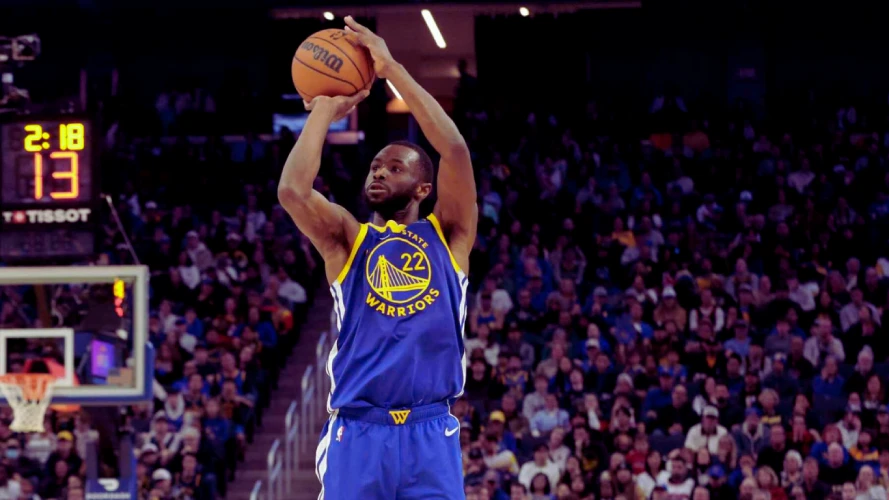
Rumors are swirling that the Golden State Warriors might be attempting to bring Andrew Wiggins back to the Bay. Traded to the Miami Heat in February 2025 as part of the Jimmy Butler deal, Wiggins now occupies a roster spot and a contract that prevent a simple free agent return. Any reunion would require a multi-layered transaction and careful negotiation between front offices.
How the Talk Began:
The chatter began when insiders noted Miami had made Wiggins available in trade conversations. That immediately rekindled memories of his Warriors tenure, especially his key contributions during the 2022 title run. Observers and analysts began sketching hypothetical swap scenarios, and the notion that the Warriors could engineer a path to reacquire a familiar two-way wing gained traction.
Contract Constraints:
Wiggins remains under contract with the Heat, which eliminates the option of Golden State signing him outright. A sign-and-trade emerges as the most realistic pathway, but that mechanism demands matching salaries and an agreement on value between both teams. Such moves require time, legal navigation and mutual willingness to structure salaries and protections that satisfy league rules.
The Jonathan Kuminga Angle:
Most of the proposed frameworks include Jonathan Kuminga as a potential piece moving to Miami. Kuminga represents a youthful asset with upside who could appeal to the Heat’s long-term plans. Packaging Kuminga with additional draft considerations or role players presents one viable blueprint for a sign-and-trade that would send Wiggins back to Golden State.
Why the Warriors Would Pursue Him:
The attraction is obvious. Wiggins already fits Golden State’s motion-based offense and demonstrated he can shoulder defensive responsibilities while spacing the floor. His chemistry with Stephen Curry and the rest of the core is proven, meaning the learning curve would be minimal. For a team chasing another title, reacquiring a player who can slot into defined roles with little adaptation is compelling.
Miami’s Calculation:
Miami is reportedly willing to listen to offers, yet they are not simply trying to jettison salary. The Heat seek meaningful returns that align with their competitive philosophy. That could mean young, moldable talent, rotation-ready veterans, or protected draft assets. Miami’s front office will judge each offer against how well incoming pieces fit their window and culture rather than moving Wiggins merely for cap relief.
Competing Pursuits:
The Warriors are not the only club reportedly monitoring Wiggins. The Los Angeles Lakers and Milwaukee Bucks have been cited as interested parties, which raises the possibility of a bidding scenario. Competing suitors complicate Golden State’s approach and can raise the price Miami demands, whether through additional players, picks, or more complex protections.
Trade Mechanics and Headaches:
Executing any trade requires more than desire. Salary-matching rules, tax considerations and future cap flexibility are all part of the calculus. Golden State must consider what losing young talent would mean for their long-term ceiling, while Miami must ensure incoming pieces maintain their competitive identity. Sign-and-trade negotiations add another layer, because they involve contract extensions and timing that need coordination with the league office and player consent.
Hypothetical Deal Structures:
Analysts frequently propose several deal archetypes. One common template features Kuminga plus a second young piece and a protected draft pick heading to Miami in exchange for Wiggins. Another includes the Warriors adding veteran salary fillers to meet matching requirements while minimizing the loss of high-upside assets. Each configuration has pros and cons: a bolder offer raises acquisition odds but costs Golden State future upside and flexibility.
On-Court Fit:
Wiggins’ skill set complements Golden State’s spacing-first approach. He moves well without the ball, can knock down opportunistic threes, and provides switchable defense that helps neutralize opposing wings. His presence would likely open driving lanes for Curry and create more pick-and-roll options. Still, reinsertion into the rotation would require clear role definitions so that minutes and responsibilities blend with the current core.
Risks to Consider:
A reunion is not without downsides. Wiggins carries a sizeable contract that could limit the Warriors’ payroll decisions. The success he enjoyed previously might owe in part to specific roster construction or coaching context that could differ now. Trading pieces like Kuminga reduces Golden State’s internal upside and insurance against injuries or unexpected declines. Finally, Miami’s willingness to extract significant value, bolstered by outside interest, could push the Warriors beyond their comfort zone.
Possible Timelines and Outcomes:
This process is unlikely to resolve quickly. Front offices will probe the market, determine valuation thresholds and decide how much capital to allocate for a proven contributor. Miami can hold out for the right package, and Golden State must balance the desire for immediate reinforcement against preserving its future. Outcomes range from a completed deal returning Wiggins to the Warriors to another team landing him, or no trade at all if both sides find the price too steep.
Conclusion:
The prospect of Andrew Wiggins returning to the Warriors mixes nostalgia with pragmatic roster considerations. Because he remains under contract, a reunion would hinge on careful trade construction, with sign-and-trade being the most feasible route. Miami’s insistence on meaningful compensation and interest from other contenders complicate Golden State’s path. For now the conversation will continue, and only if the right combination of players and picks appears will the Bay likely see Wiggins donning a Warriors uniform again.